
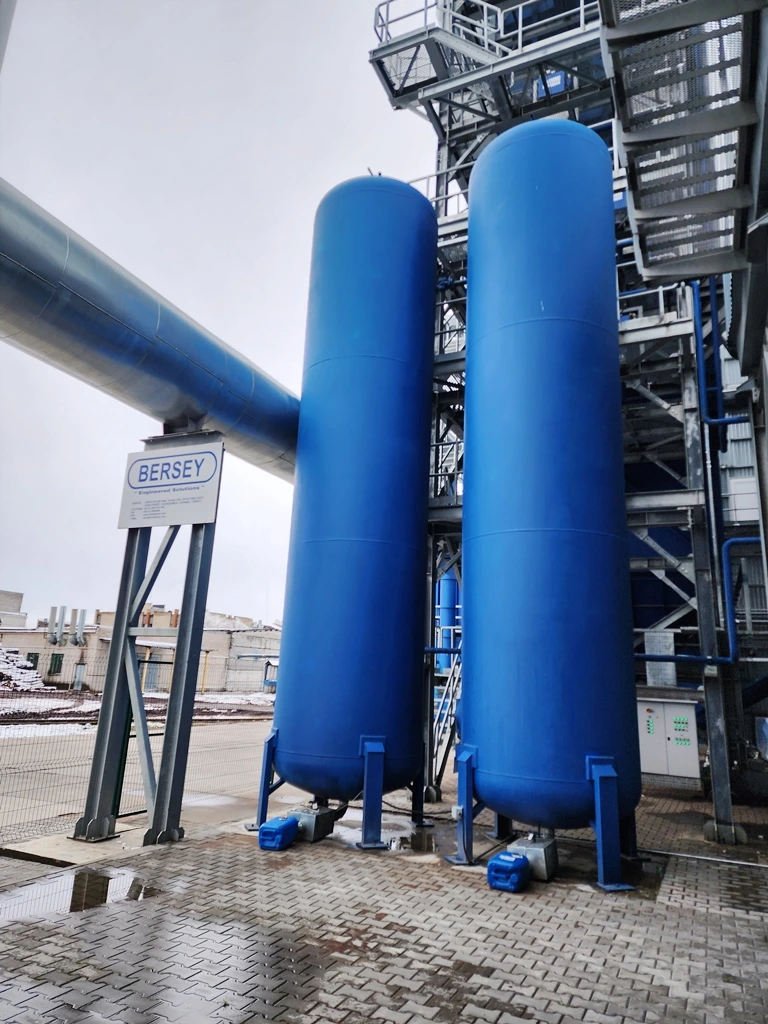
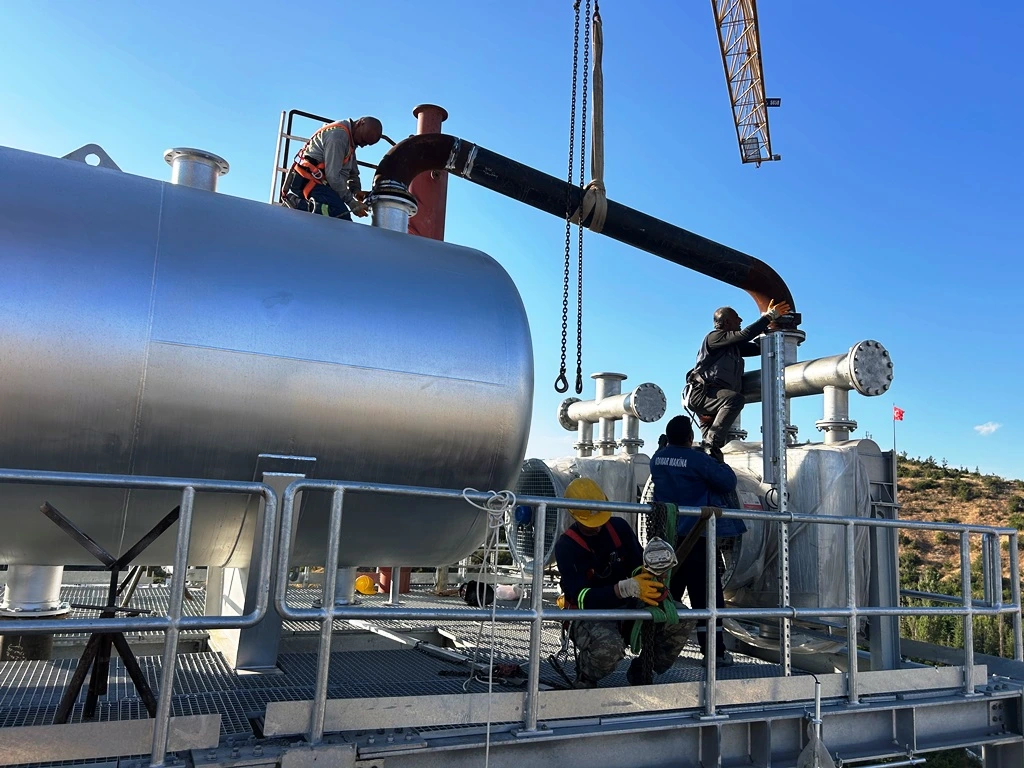
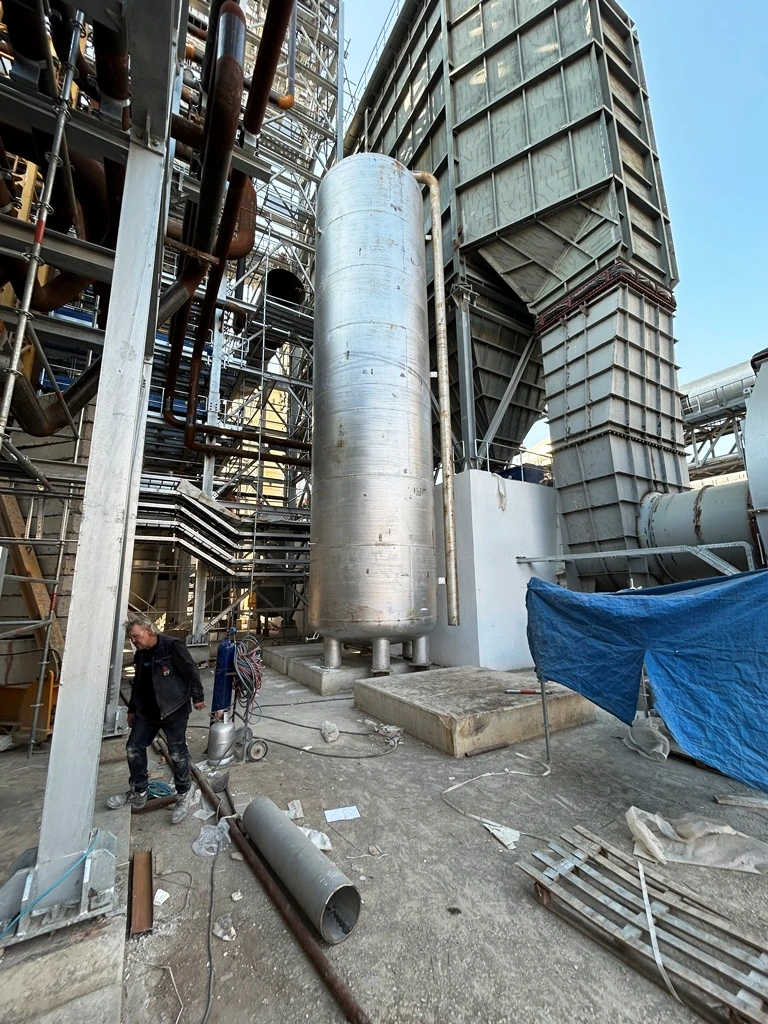
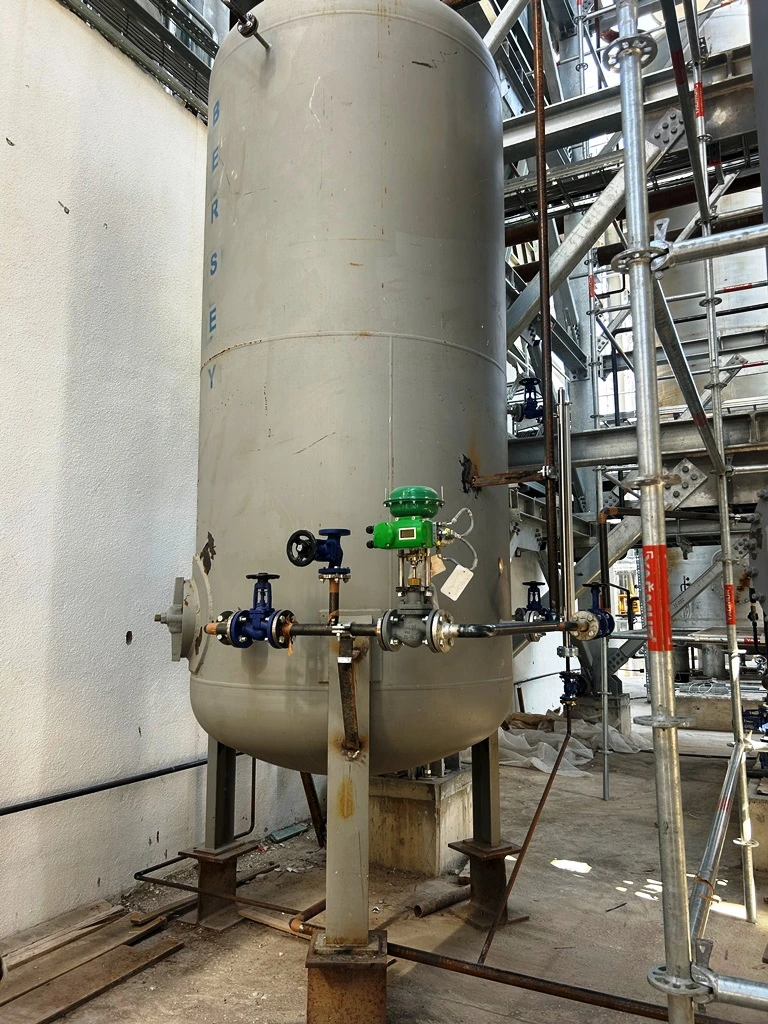
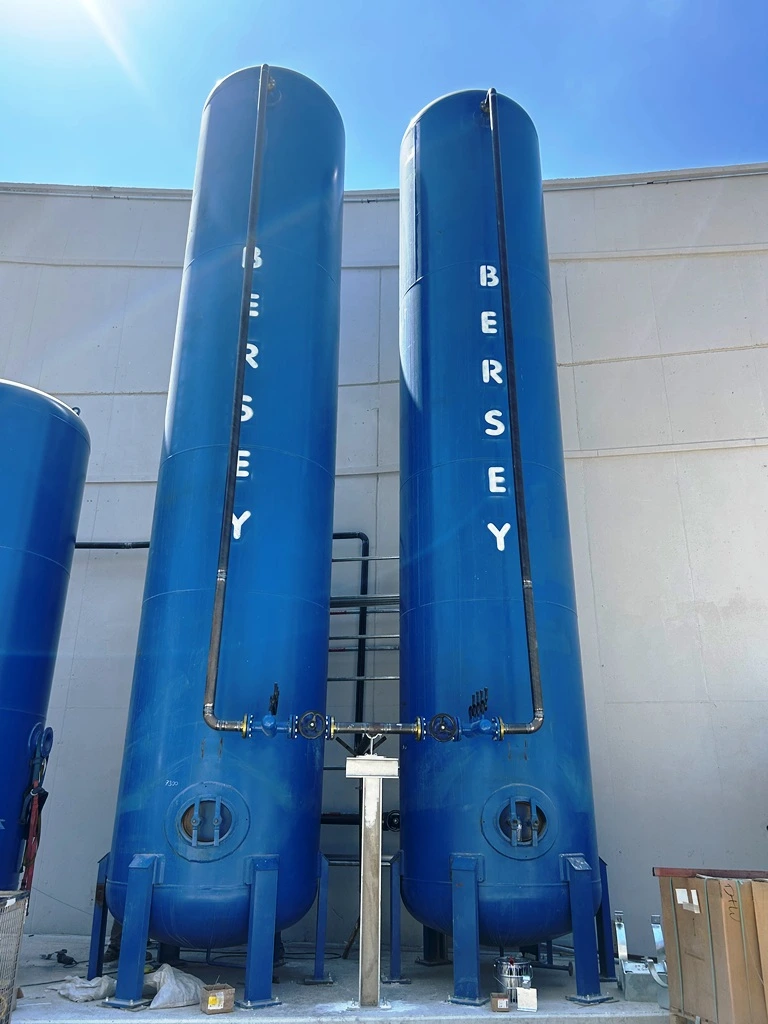
Pressure vessels designed and manufactured to operate safely under high pressure, used reliably across energy, chemical, food and many other industries in compliance with international standards.
Steam accumulator, air receiver and expansion vessel applications are assessed for operating pressure, temperature, volume and fluid properties. Materials and fabrication details follow the selected design code; conformity assessment depends on the product and delivery scope.
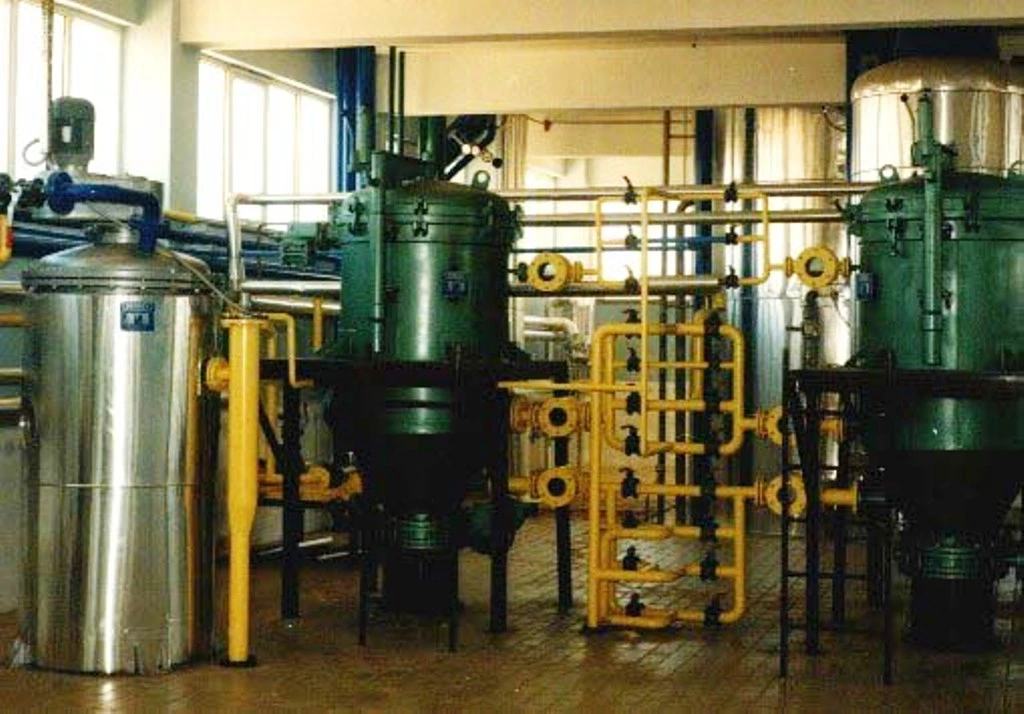
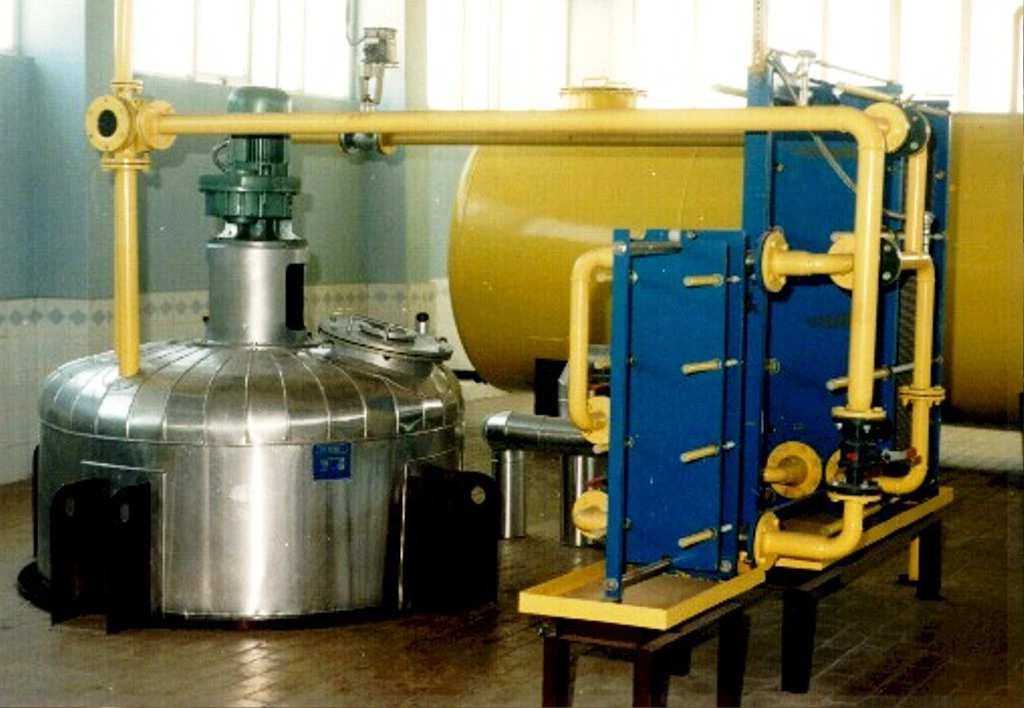
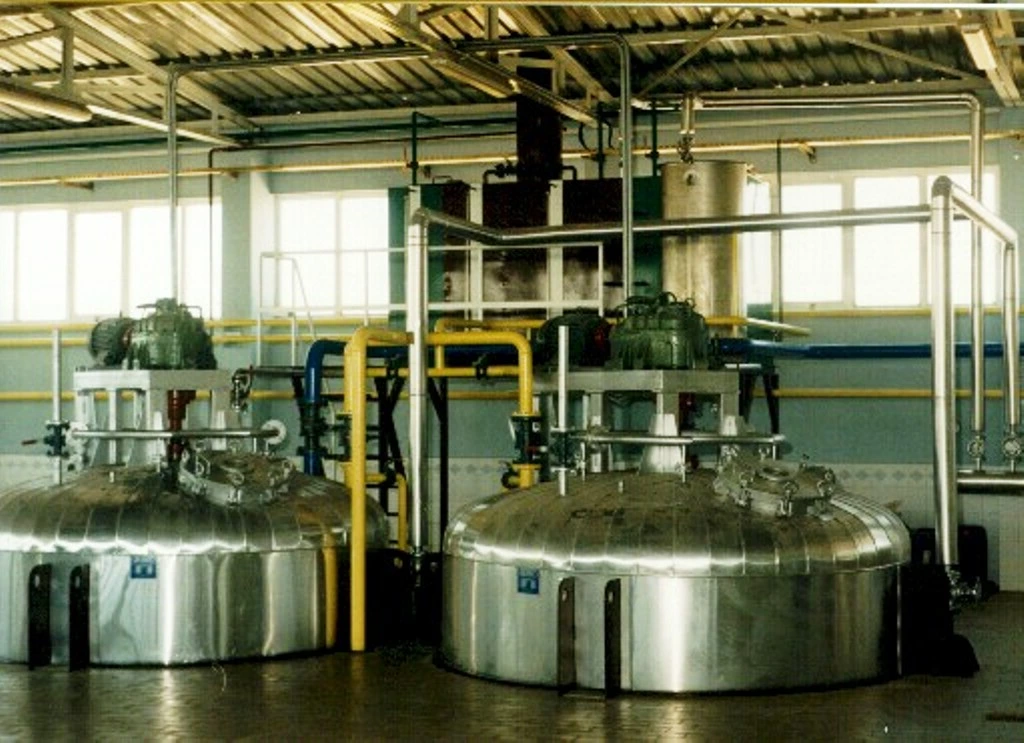
Custom-designed process tanks manufactured in various volumes and specifications for mixing, storage, conditioning and process safety to meet production needs.
Configured for mixing, storage and conditioning in confectionery, tahini and vegetable-oil processes. For winterisation, batch extraction, neutralisation and bleaching, tank volume and process connections are defined for the application.
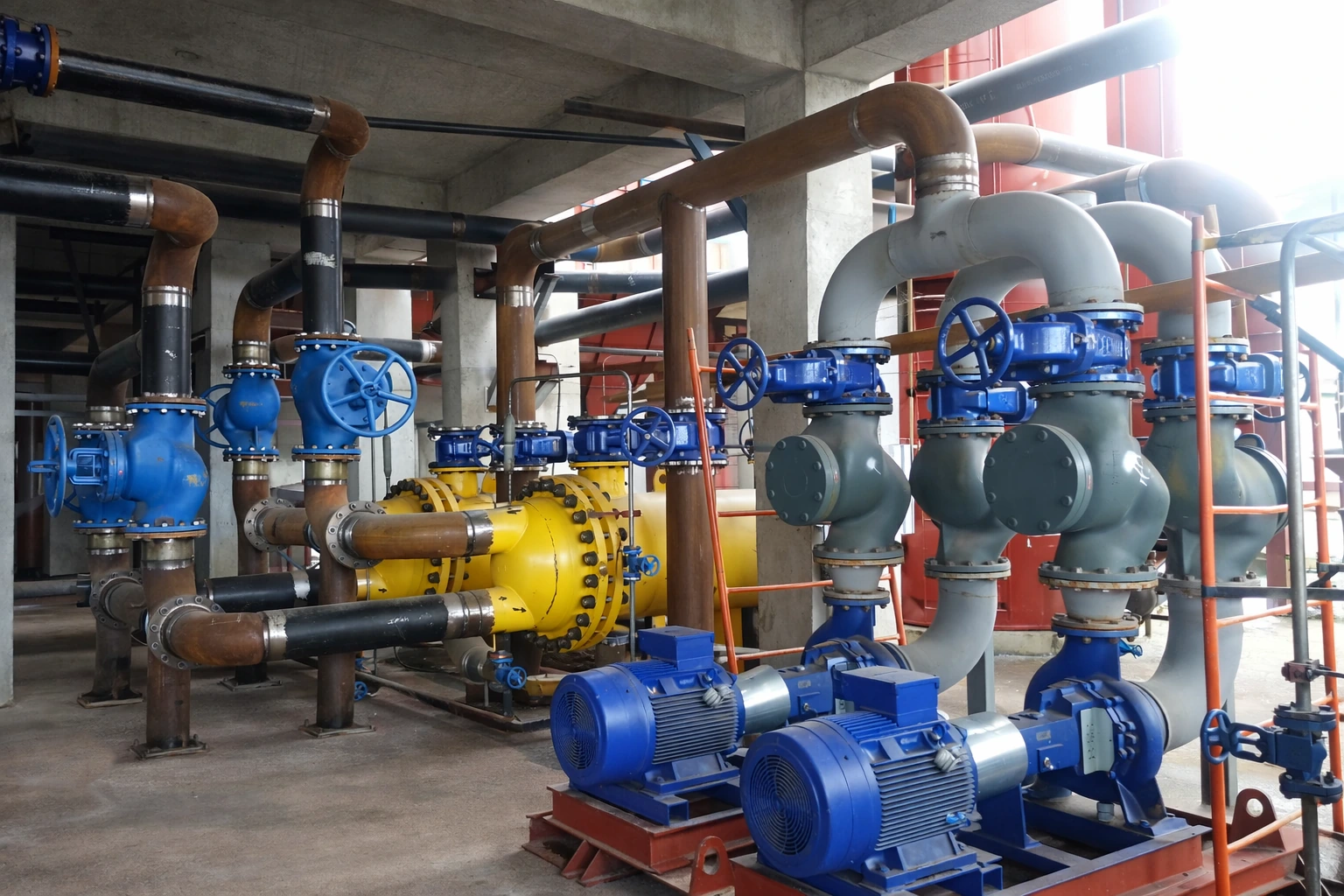
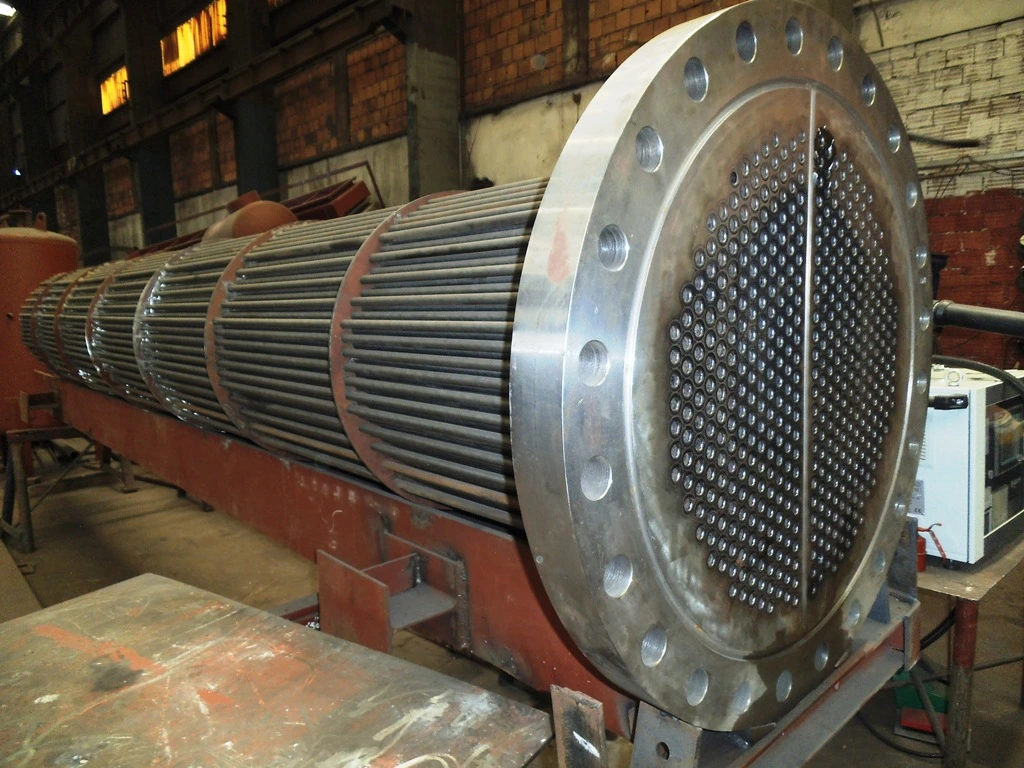
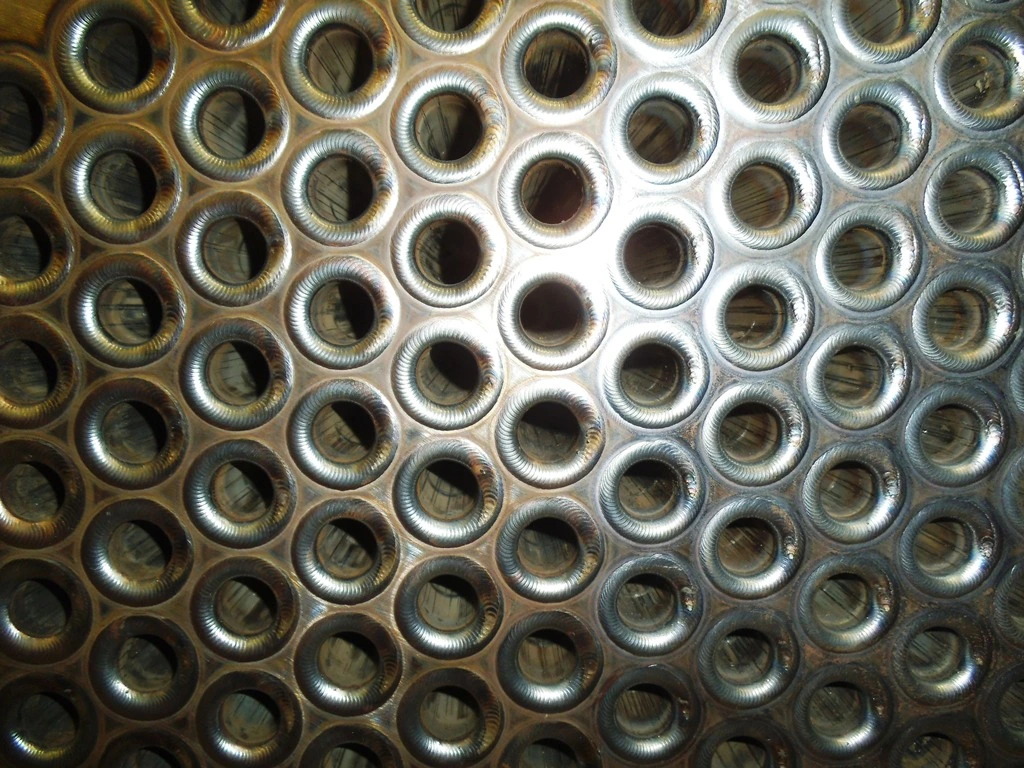
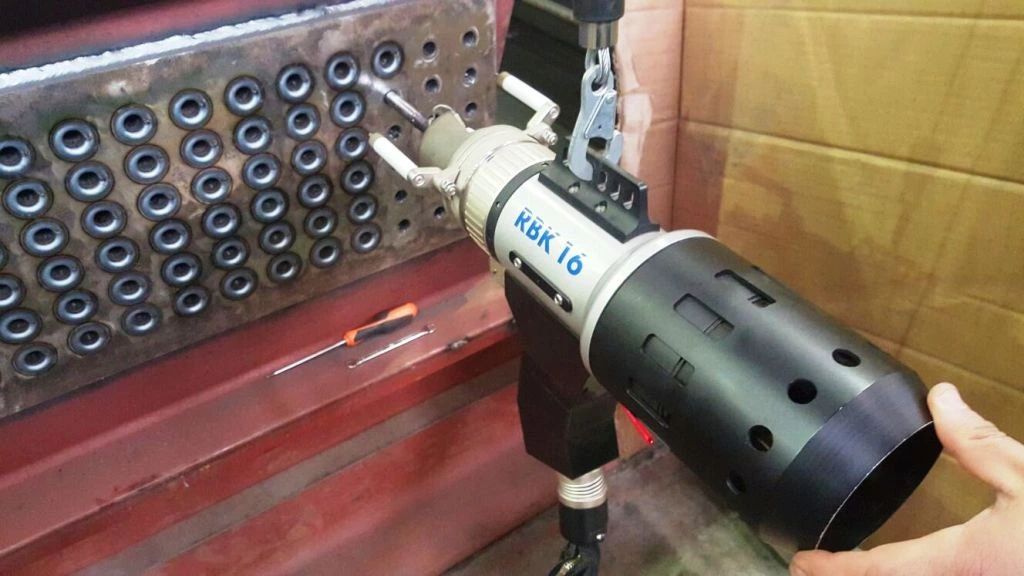
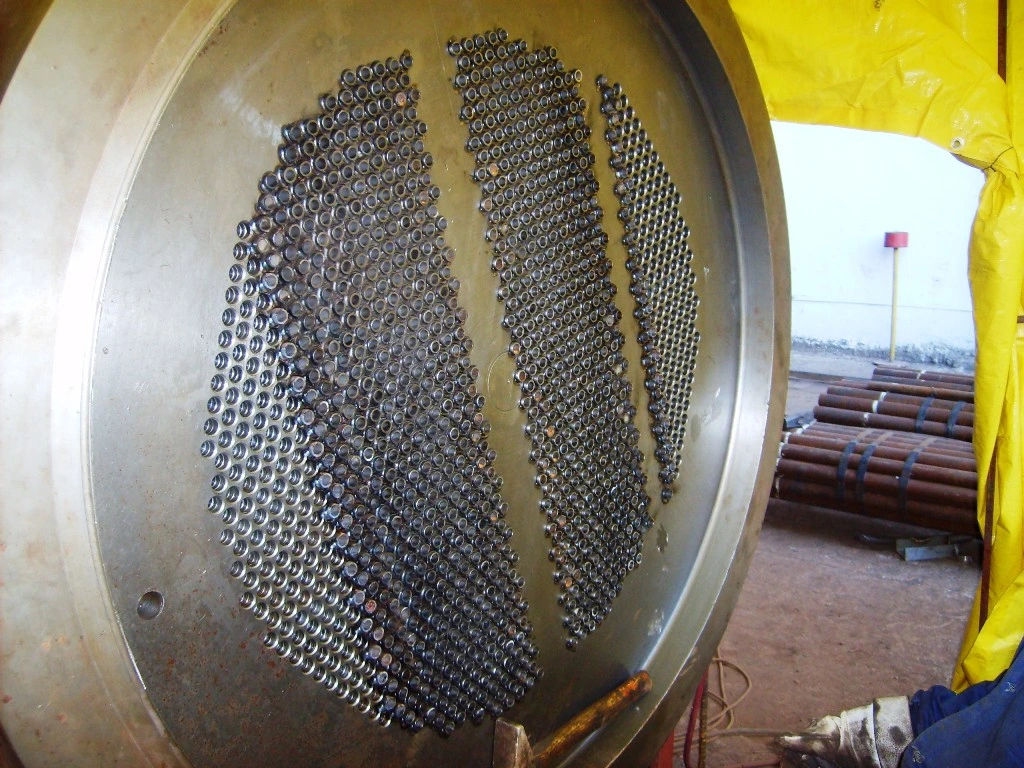
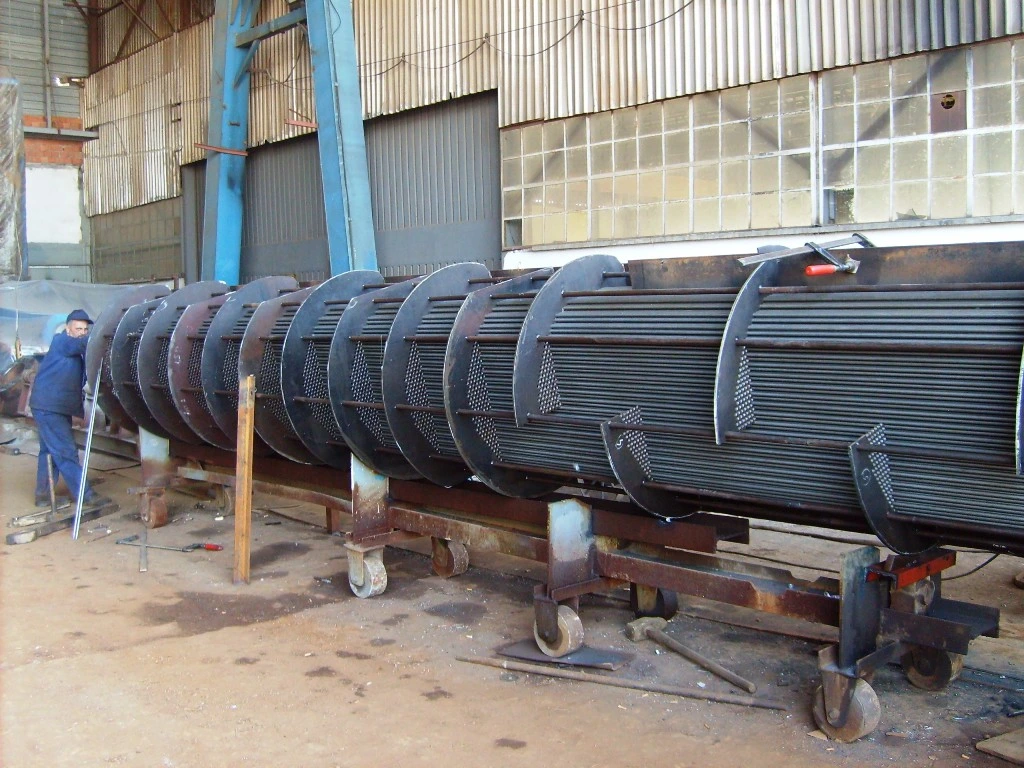
Our heat exchangers deliver highly efficient heat transfer between different fluids, offering ideal solutions for energy savings and process efficiency.
Heat exchanger selection uses hot- and cold-side flows, inlet/outlet temperatures and operating pressures. Heat transfer area and materials are assessed against the process duty and fluid properties.
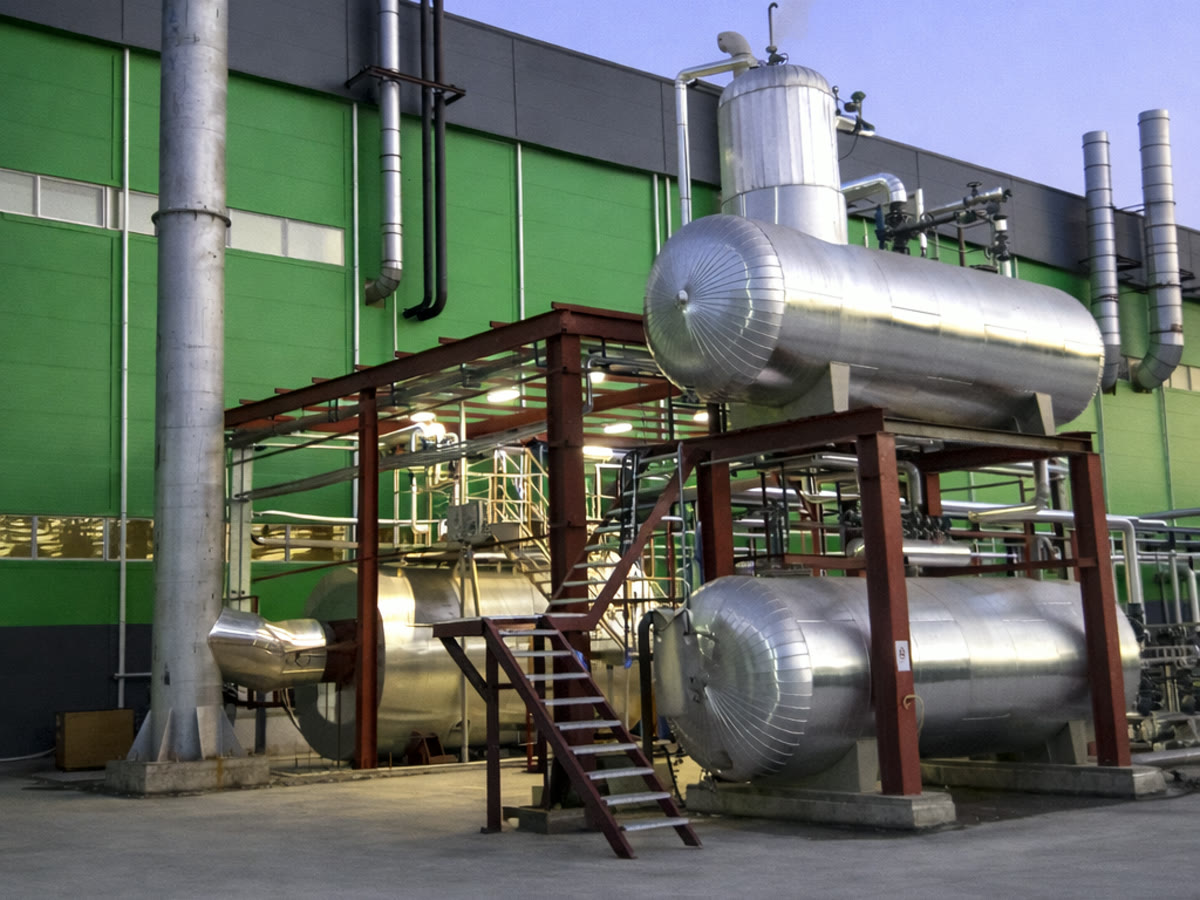
Deaerators remove dissolved oxygen and other gases from steam-system feedwater. Considered together with water treatment and feedwater systems, they help reduce corrosion risk.
Removing dissolved oxygen and other gases from feedwater helps reduce corrosion risk in the steam system. The deaerator and feedwater system are designed together with boiler demand and existing water treatment.
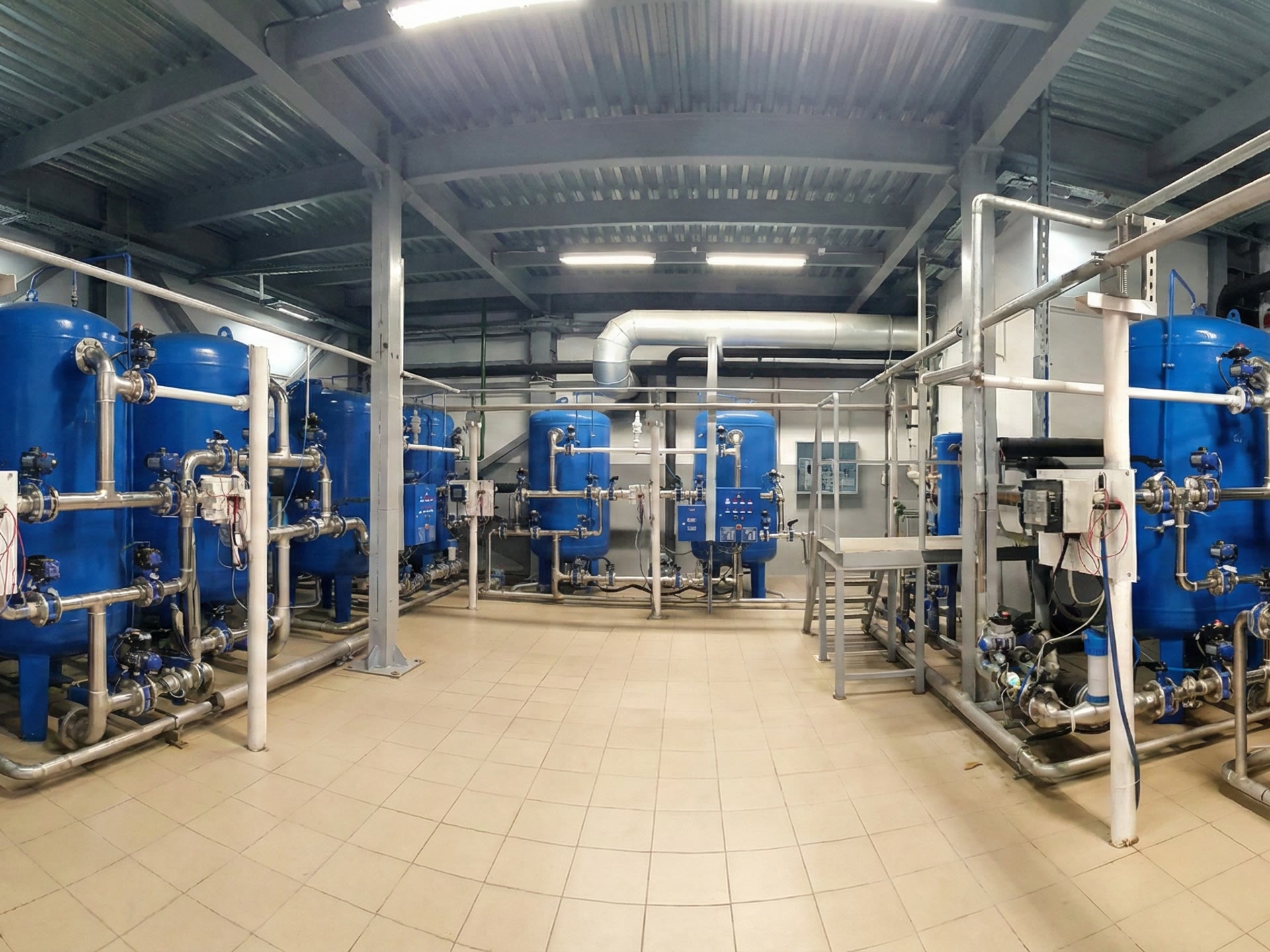
Removes water hardness for industrial steam and hot water systems, preventing scale buildup, reducing energy losses and protecting your systems.
Unit capacity is selected from raw-water hardness and plant water consumption. Softening is one step in boiler water preparation; other water quality requirements are assessed for the boiler and operating conditions.
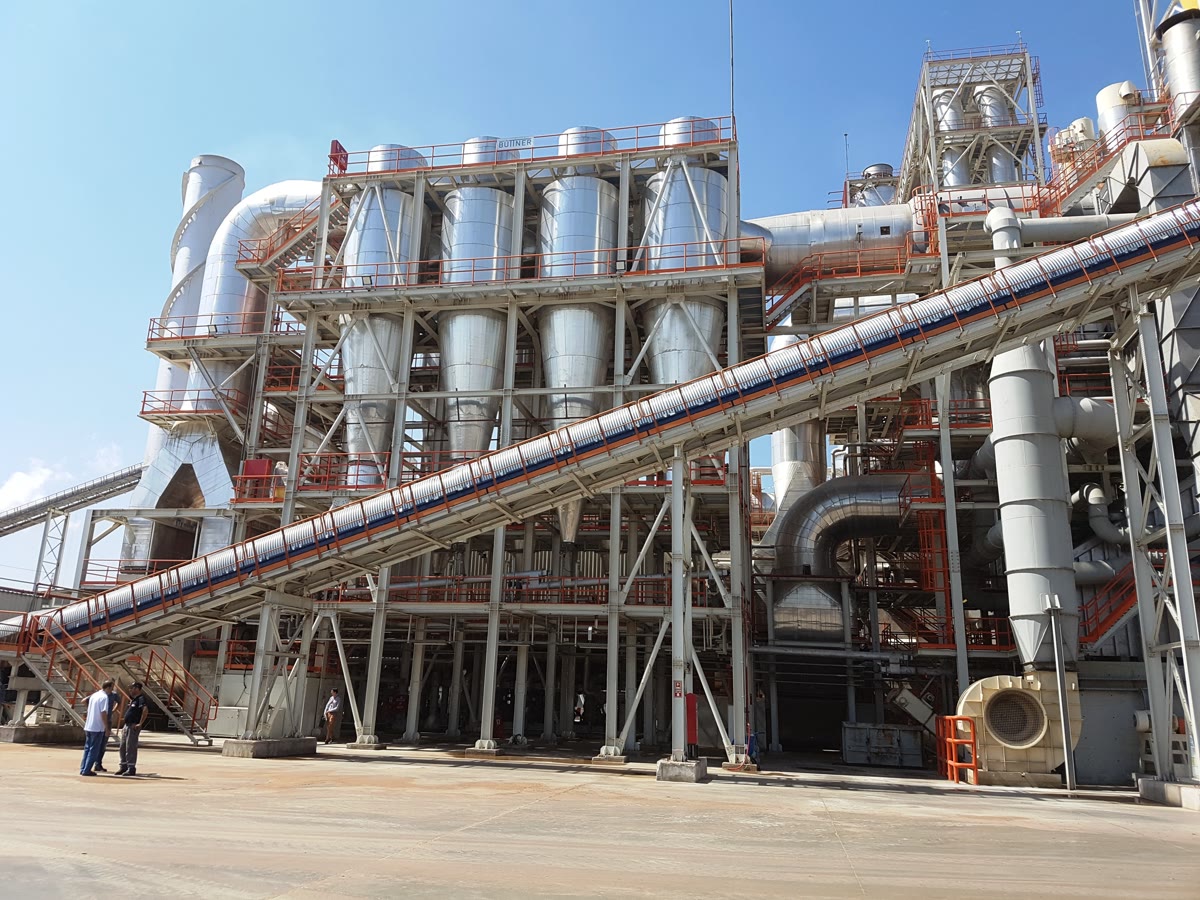
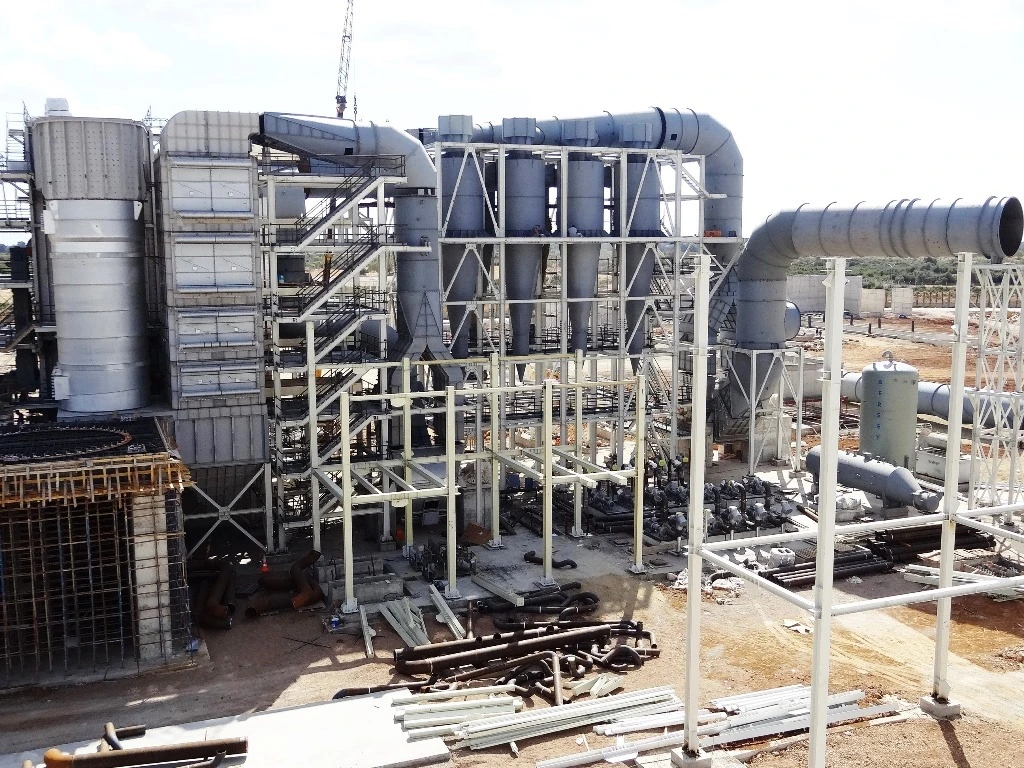
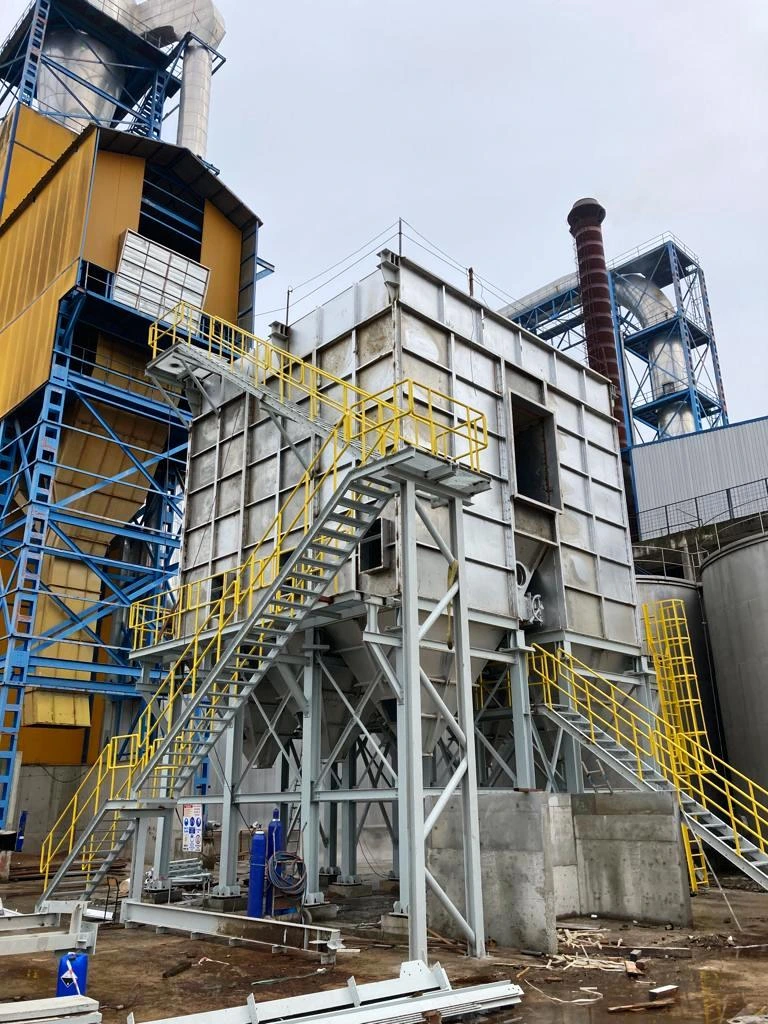
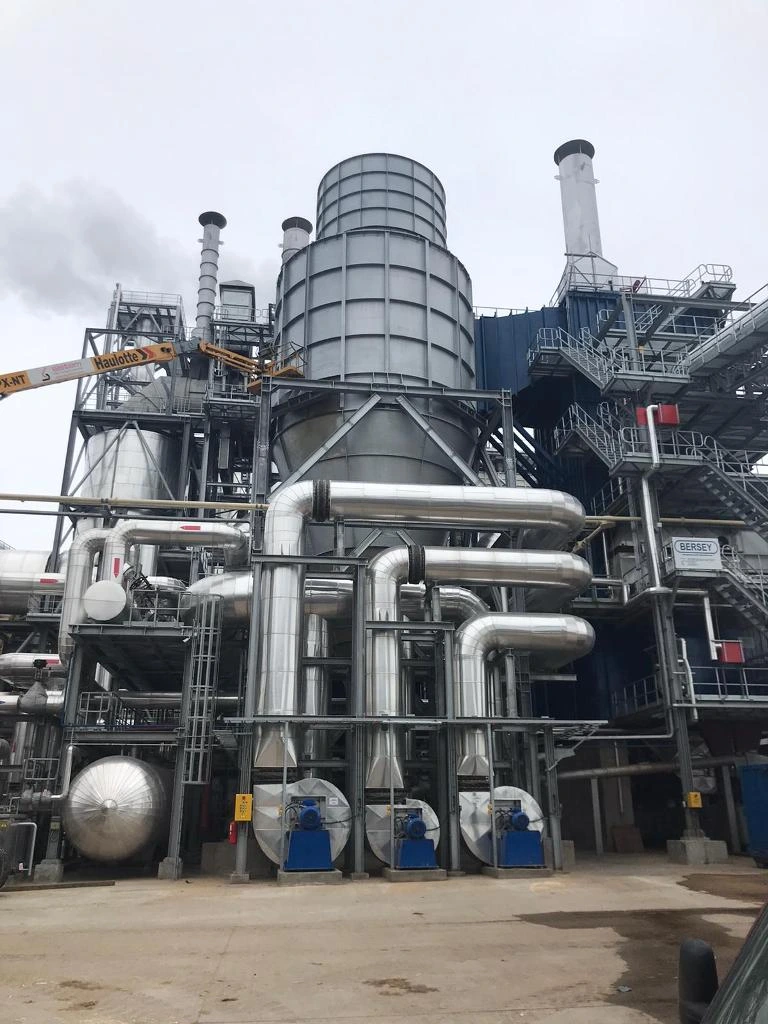
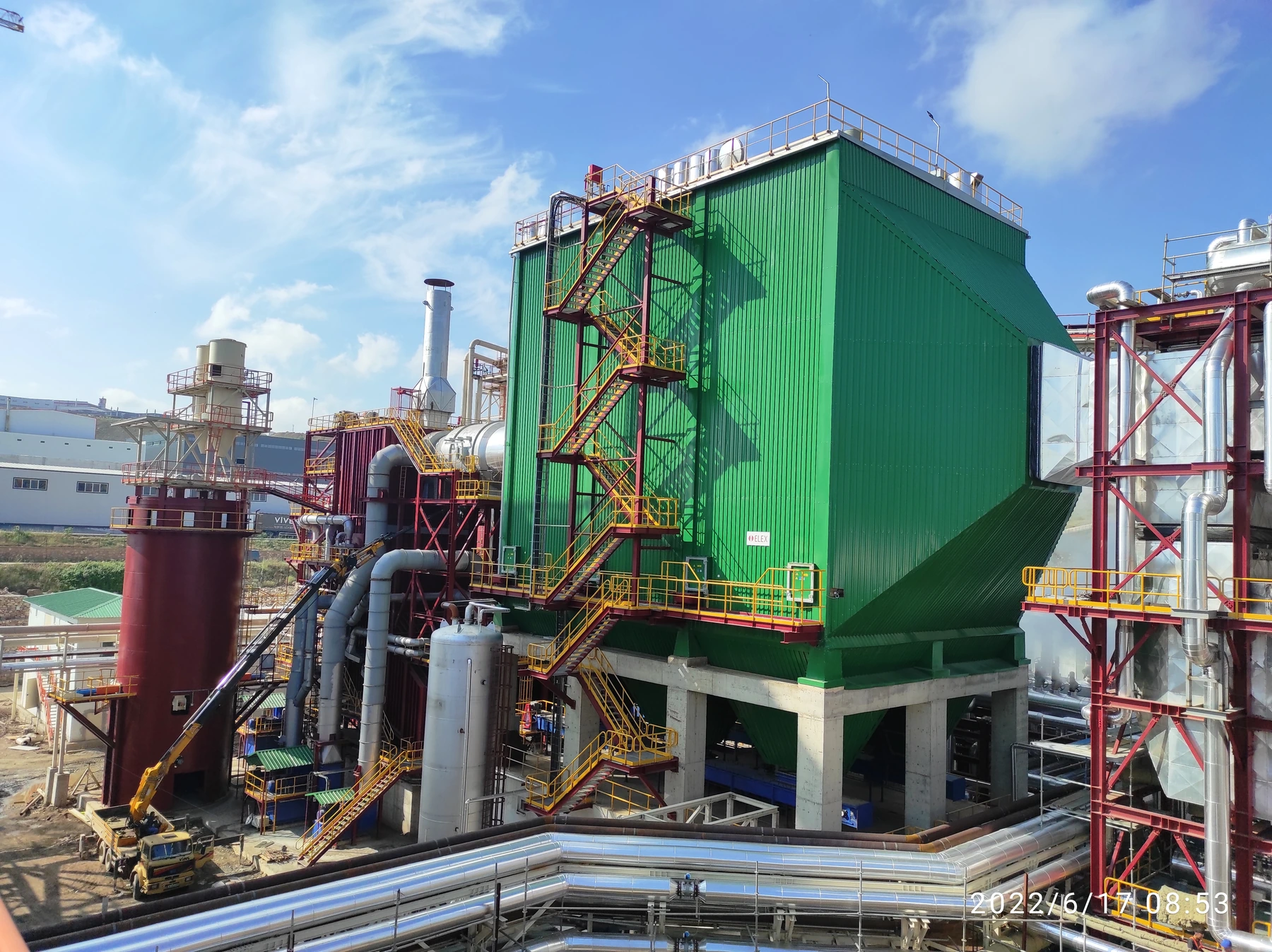
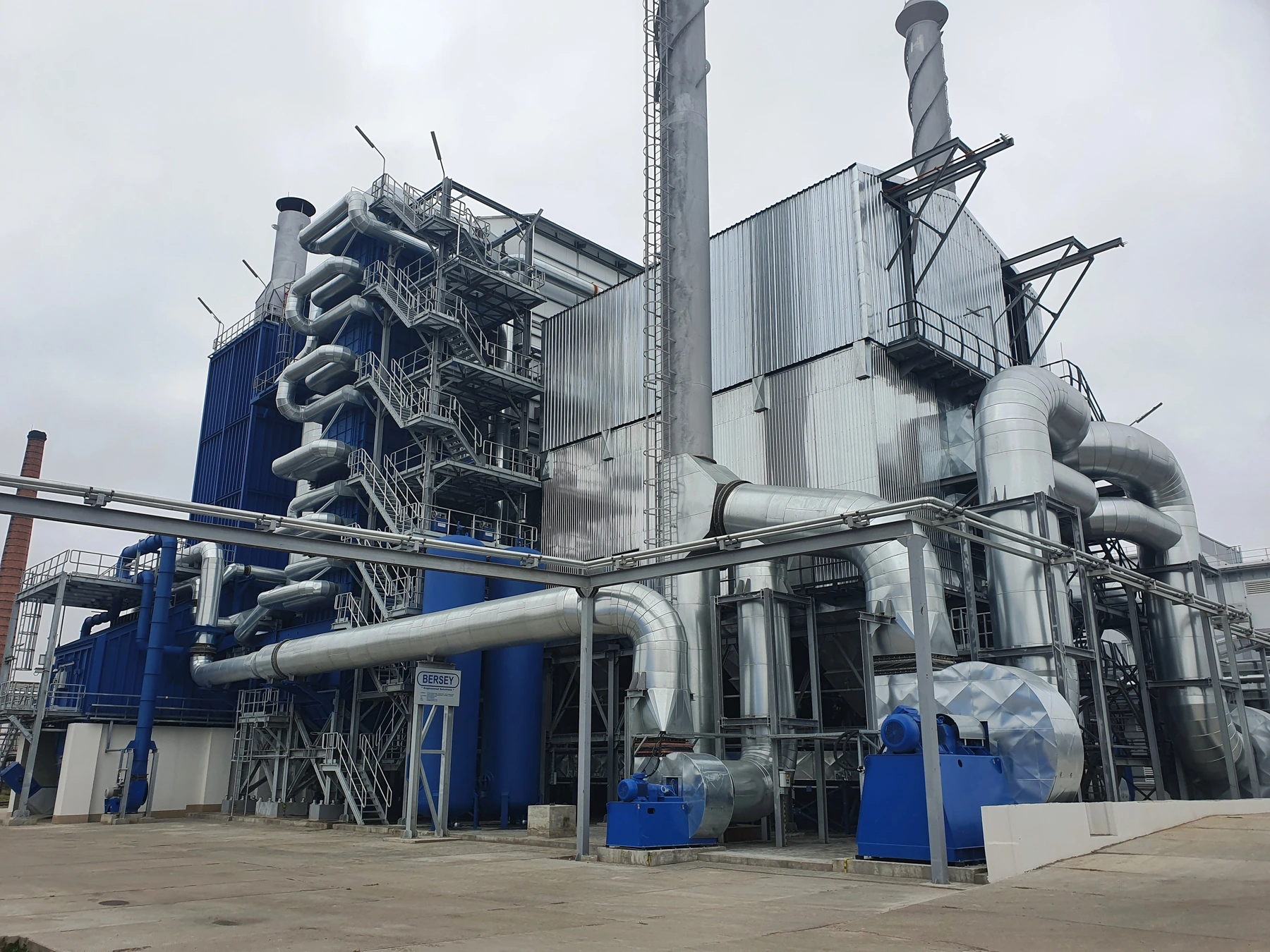
Flue-gas cleaning systems are selected to remove particulates and target components after combustion. Equipment type and stages are determined from fuel analysis, gas conditions and plant emission requirements.
Cyclones, multicyclones, bag filters, dry electrostatic precipitators and scrubbers serve different duties. Selection considers gas flow, temperature, particulate loading and target components, with equipment arranged to meet emission objectives.
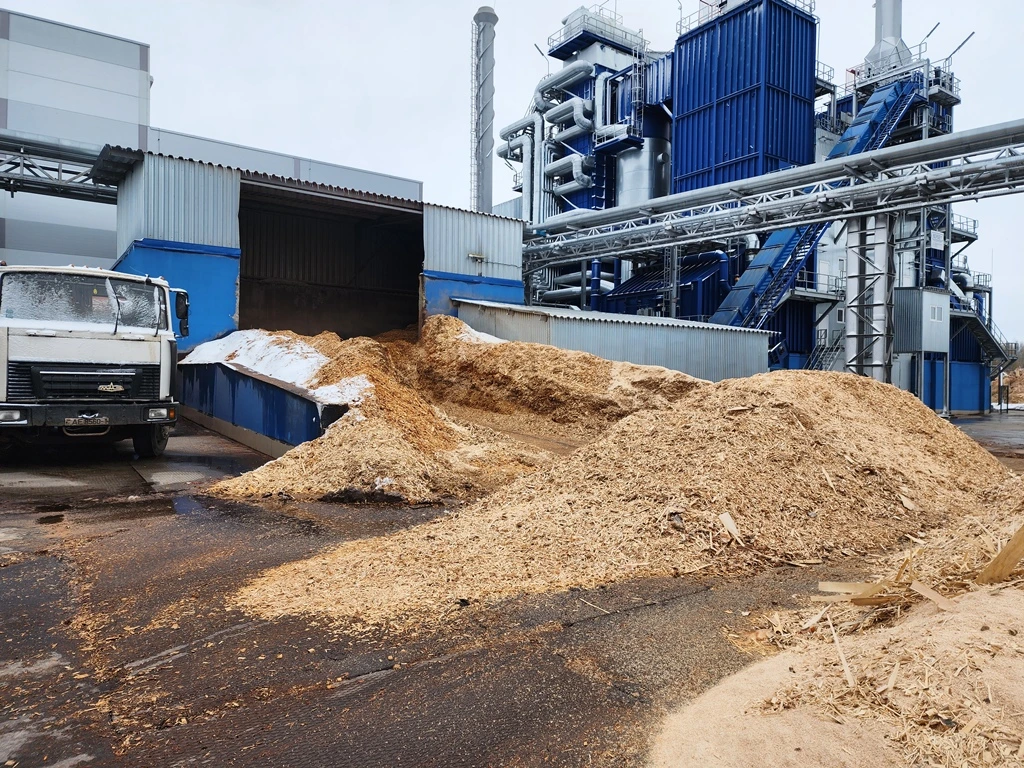
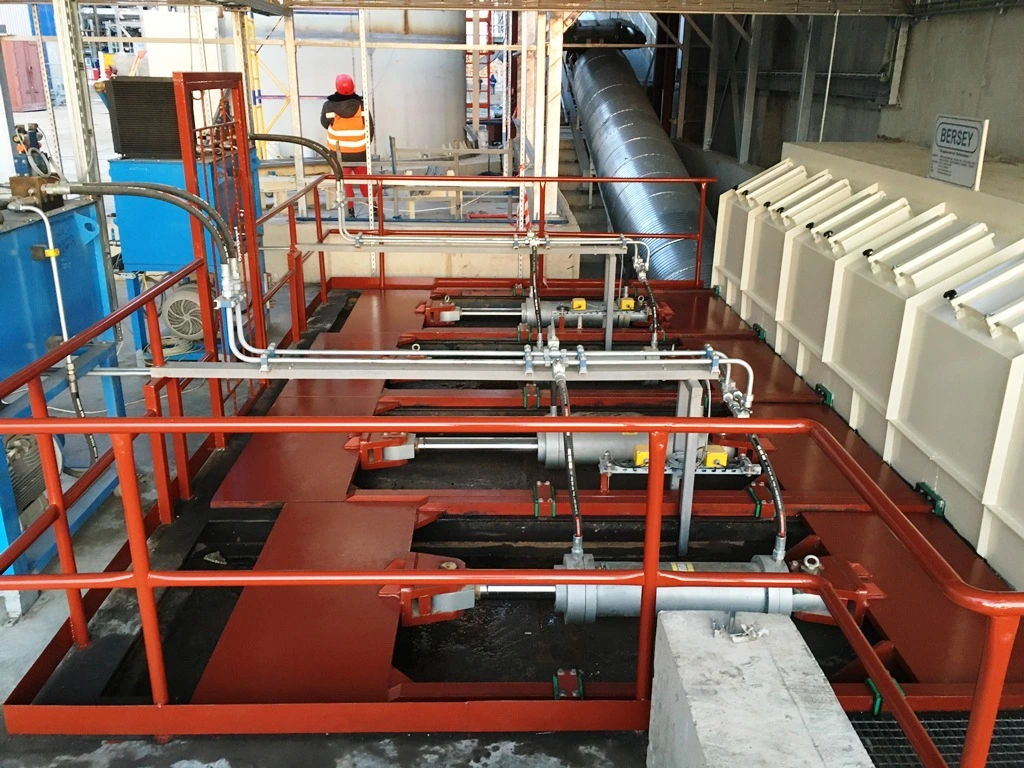
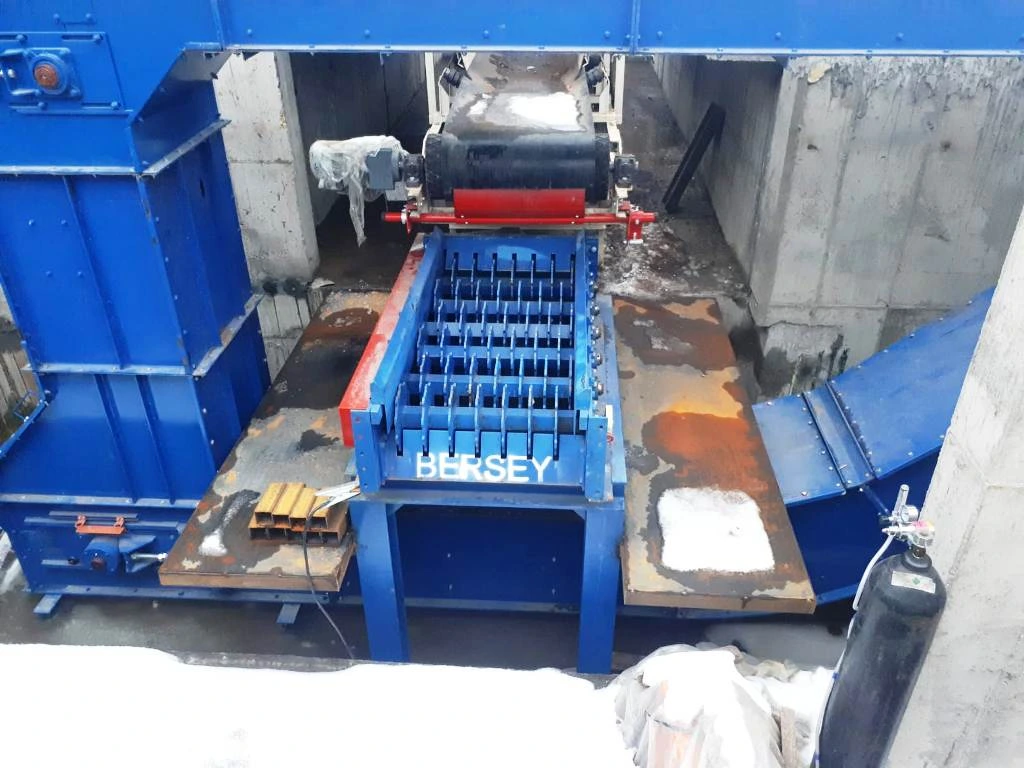
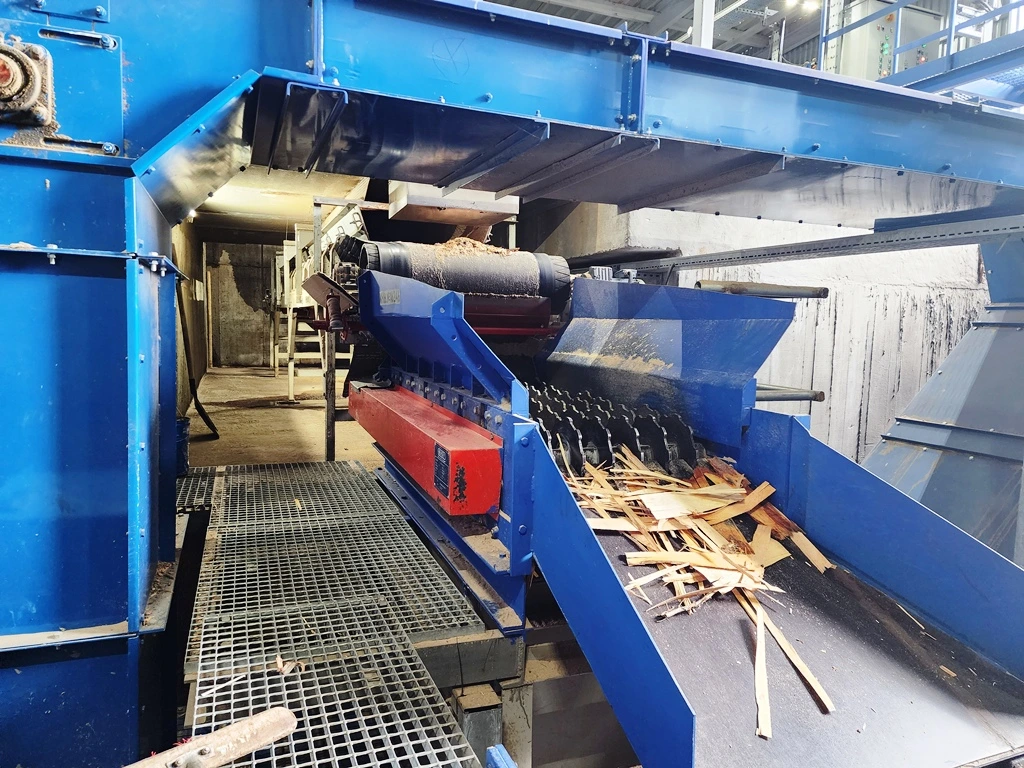
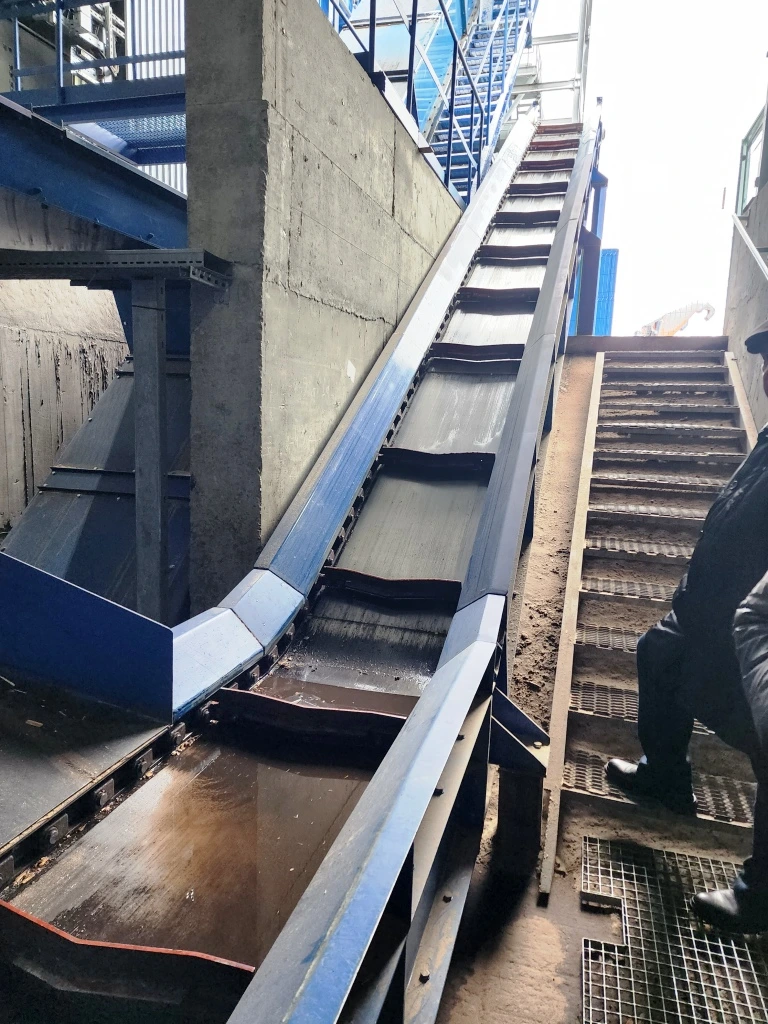
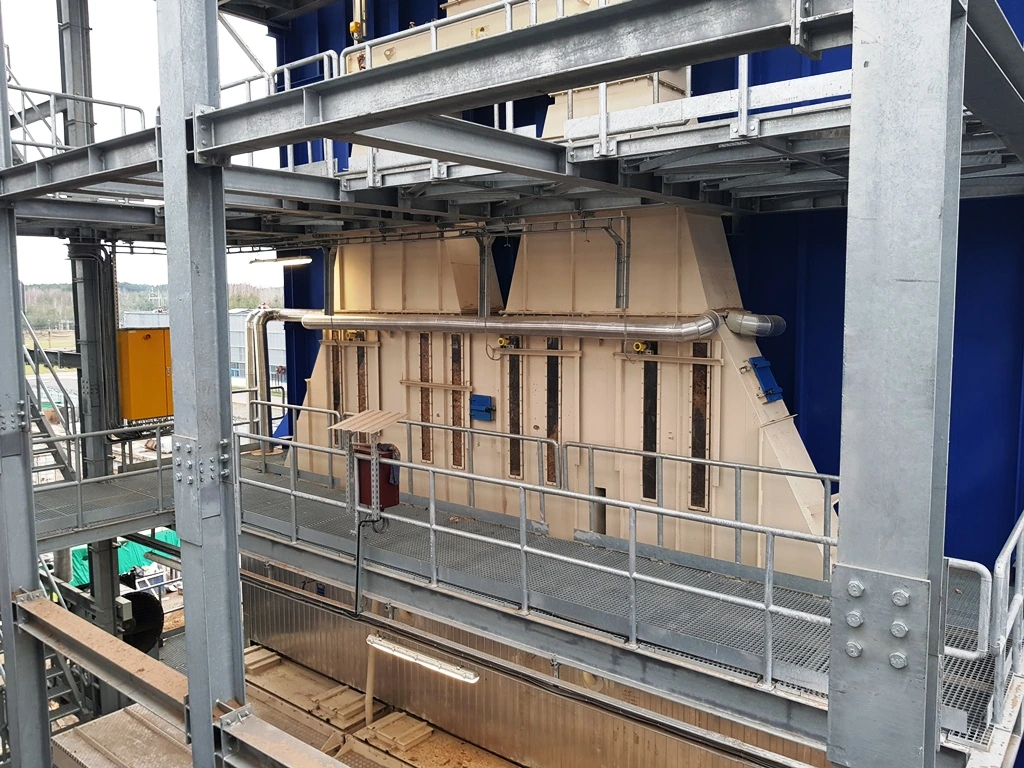
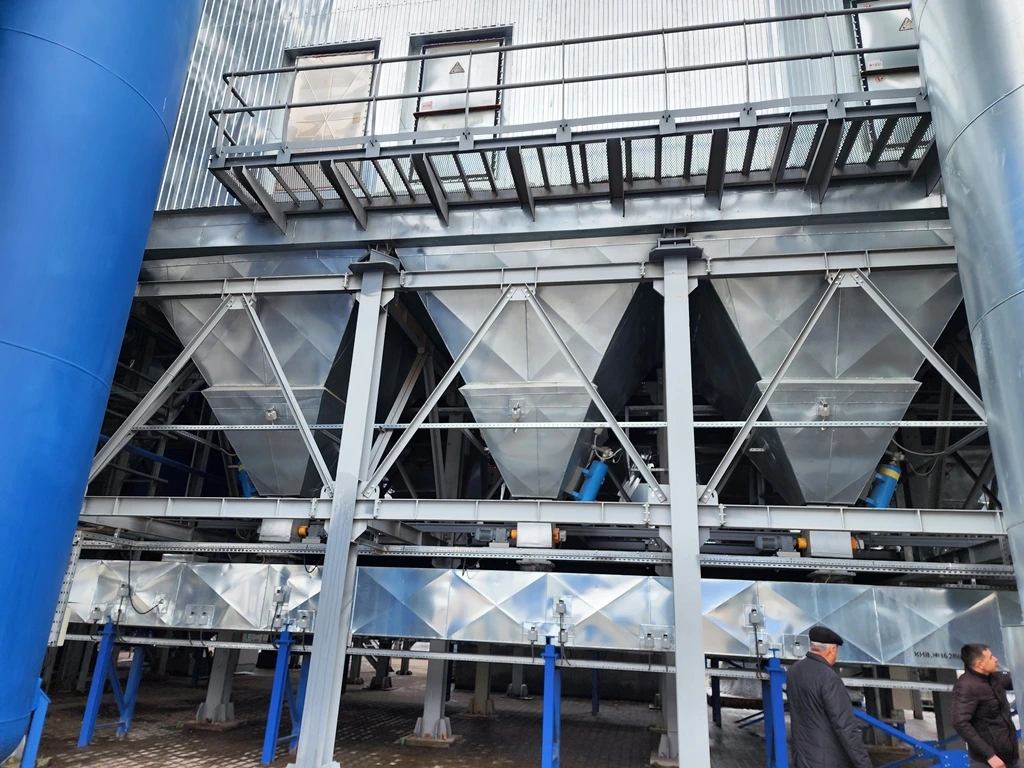
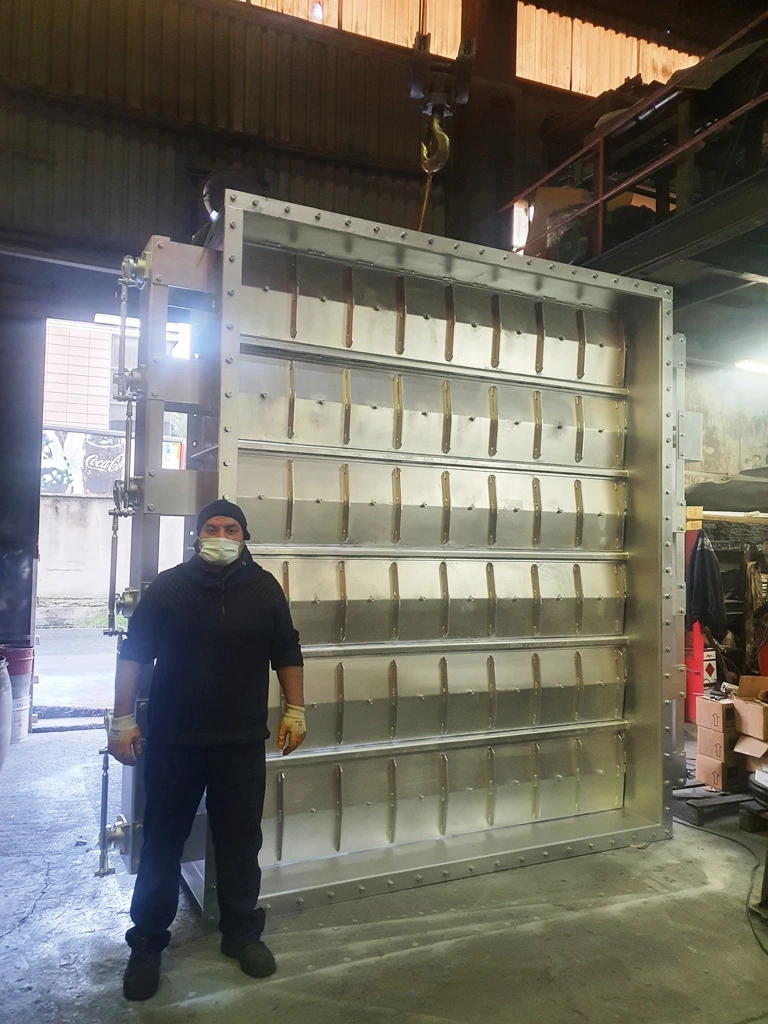
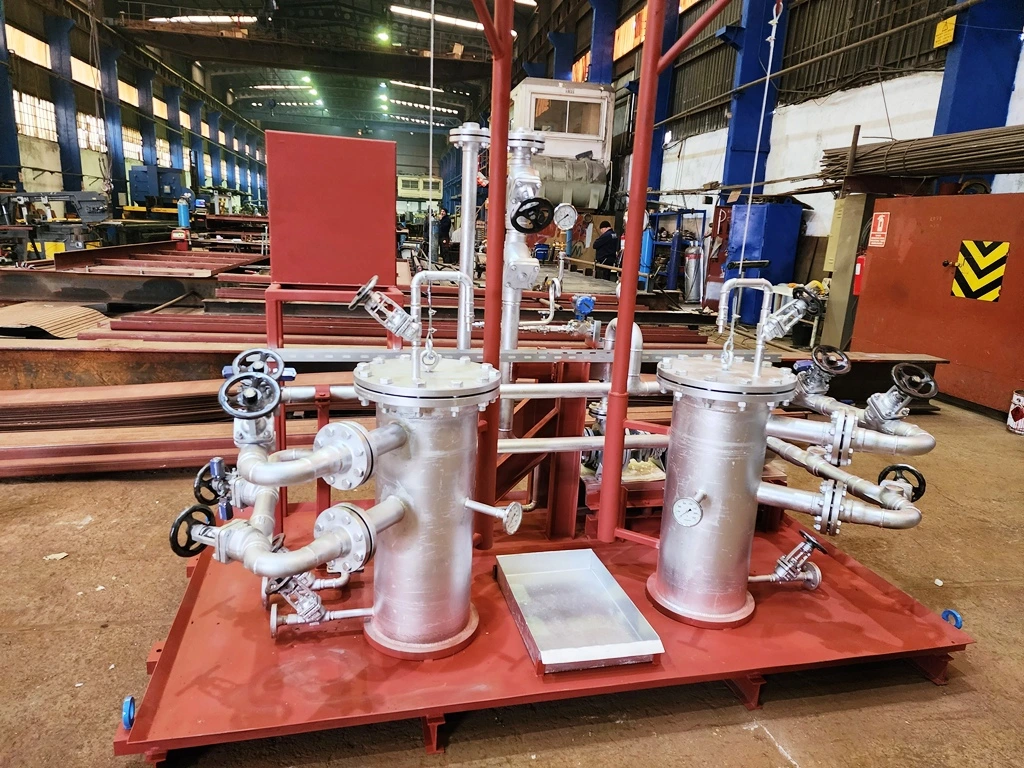
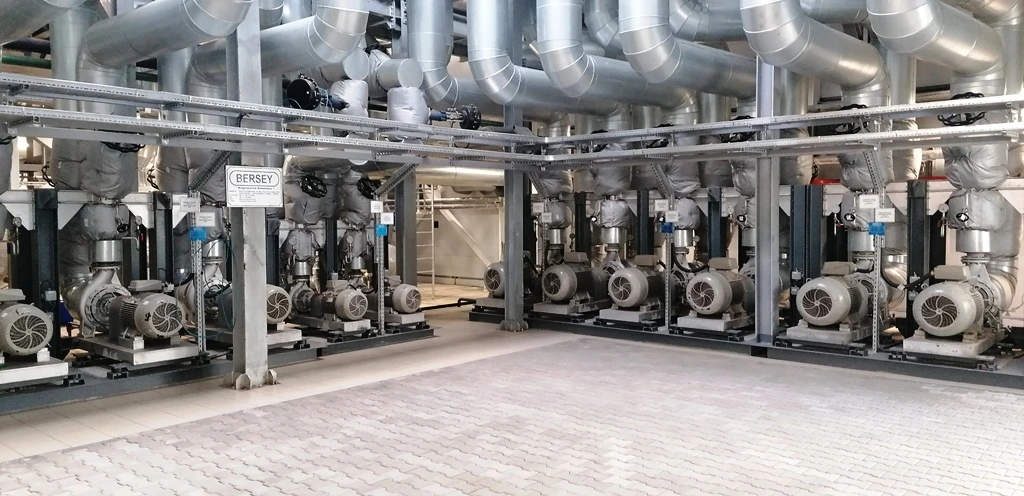
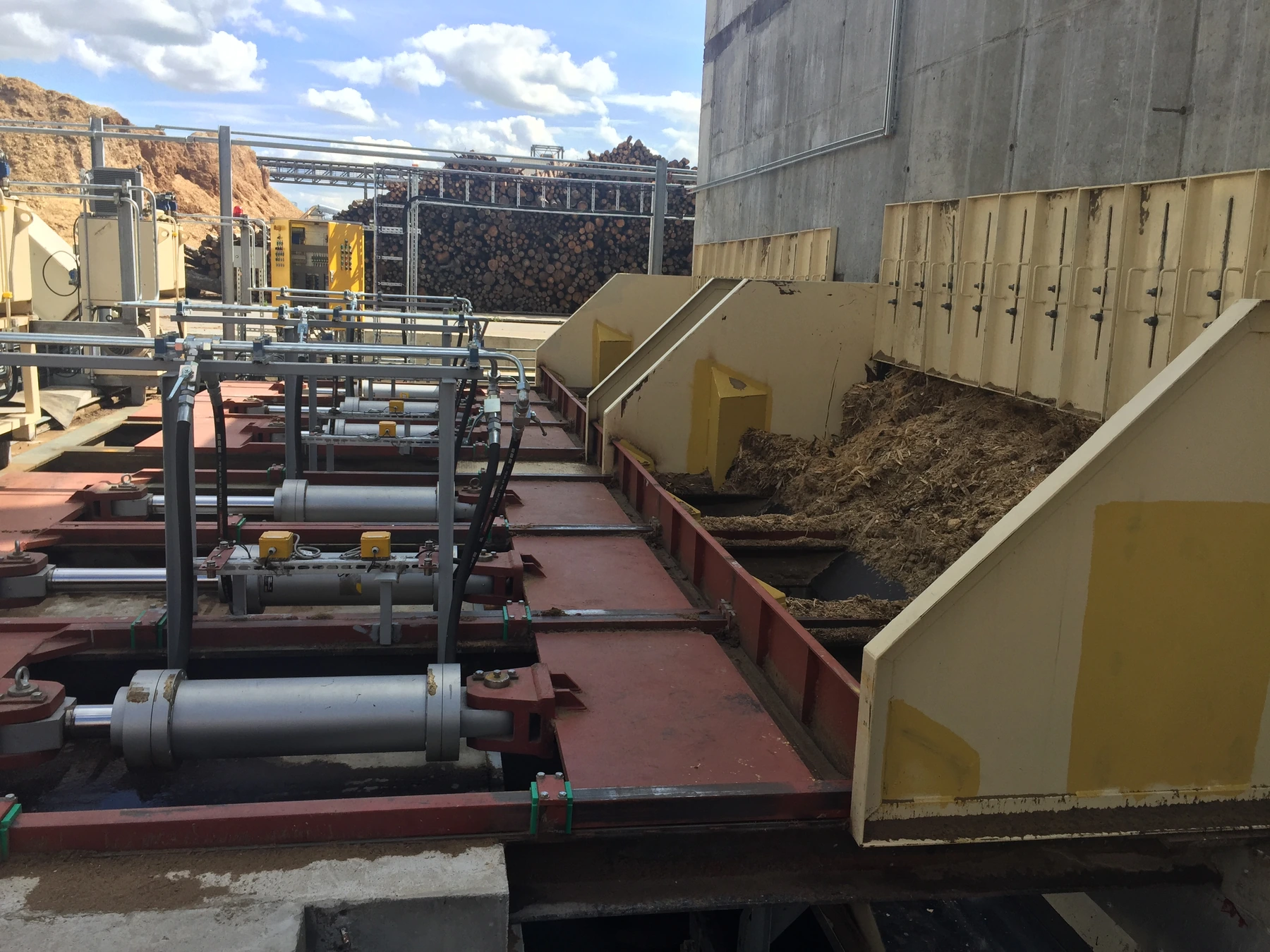
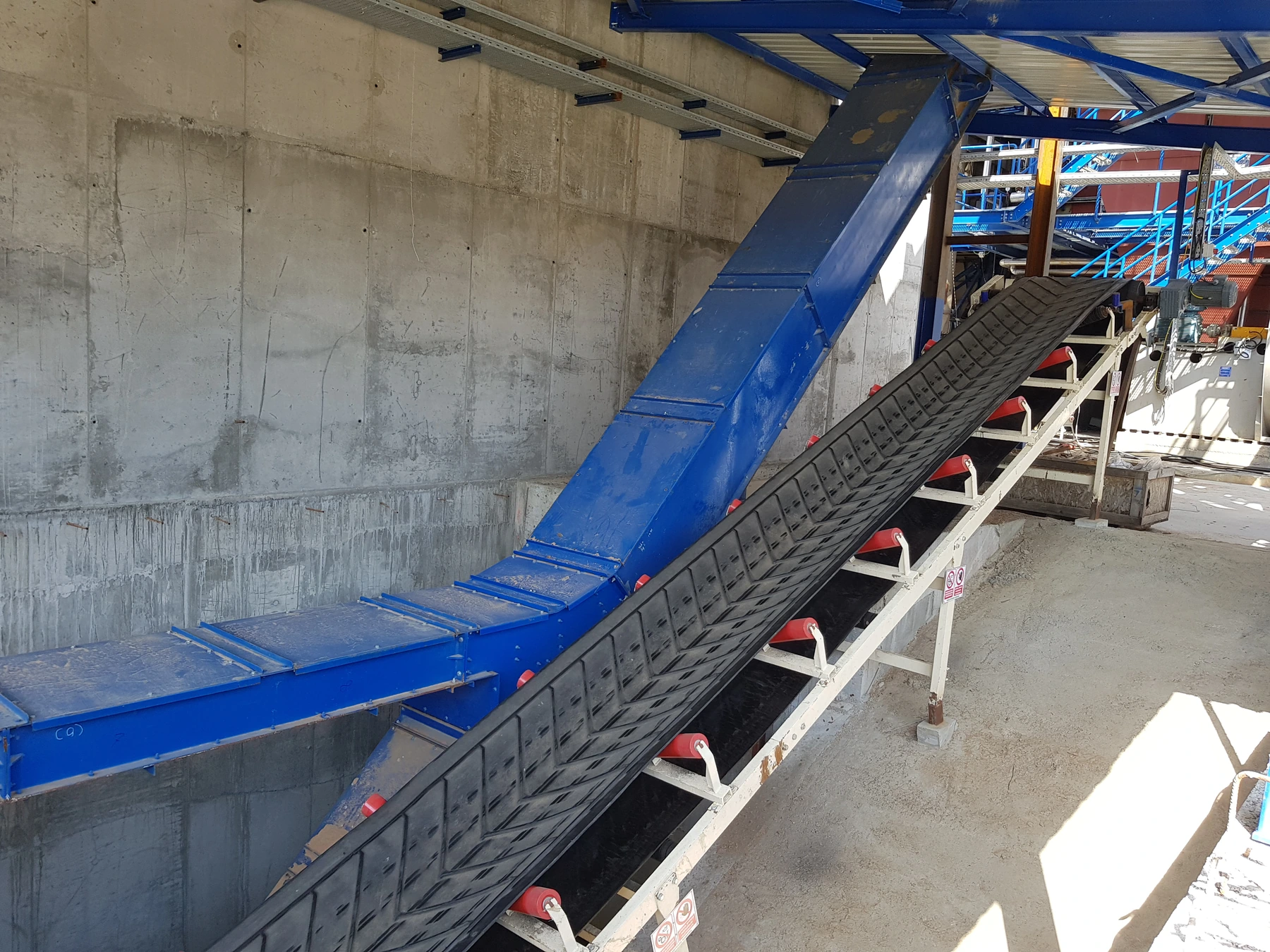
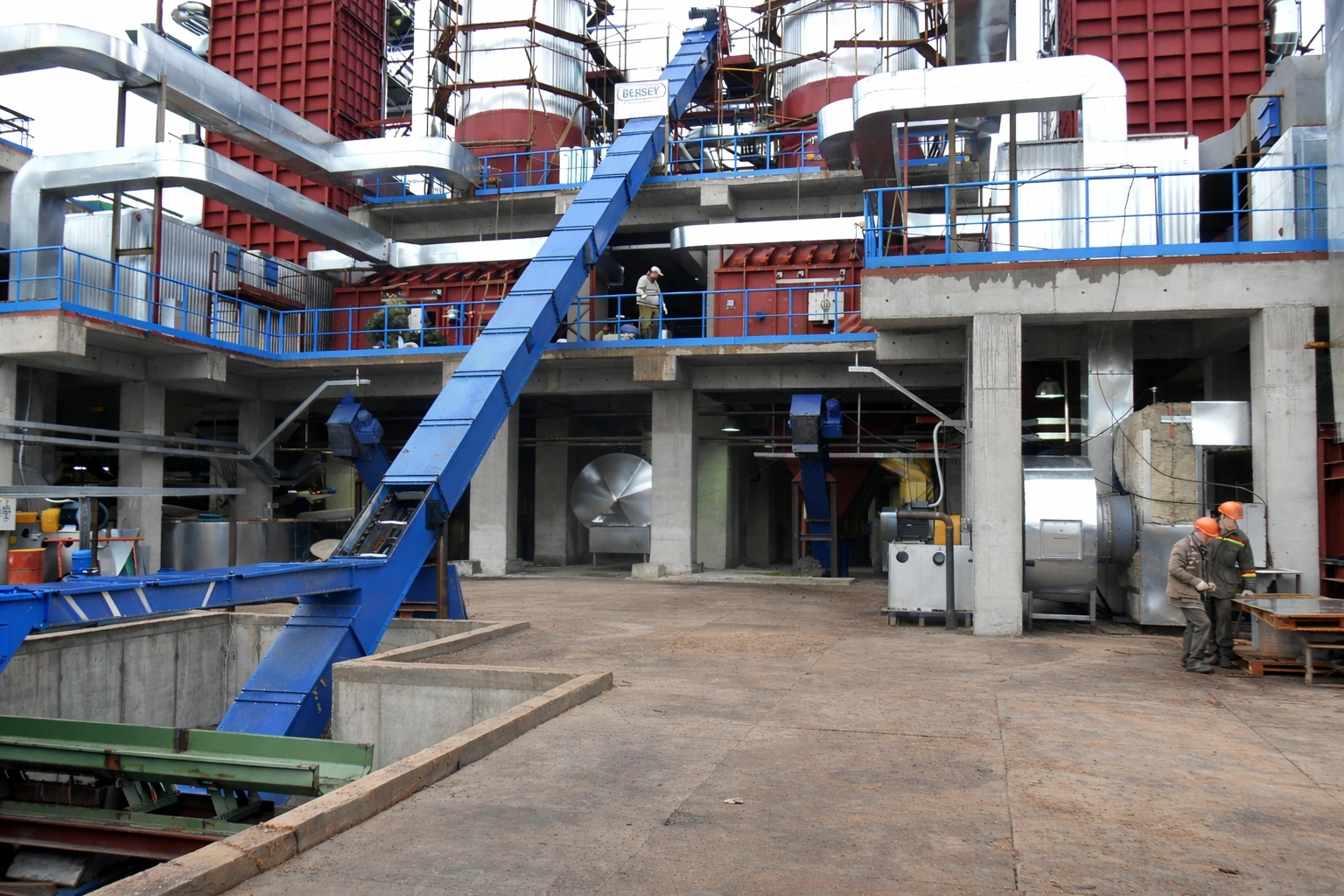
Fuel feeding, conveying, storage and waste management systems essential for efficient and uninterrupted operation of energy plants.
Storage, metering, conveying and ash discharge are planned together for the plant’s fuel and operating conditions. Equipment layout, access and maintenance areas are coordinated with boiler and process connections.