BERSEY

Bersey.ai

Our engineering knowledge. Our digital future.

Bersey.ai is our vision for bringing accumulated boiler and plant engineering knowledge into digital ways of working. We are developing two connected goals: faster, more consistent engineering within Bersey, and digital twin solutions developed together with our customers from our automation experience.

When drawings, calculations, equipment information and operating knowledge share the same engineering context, alternatives and the reasons behind decisions become clearer. We are developing Bersey.ai to build these connections. The model scope, available data and validation method are agreed together for each project.

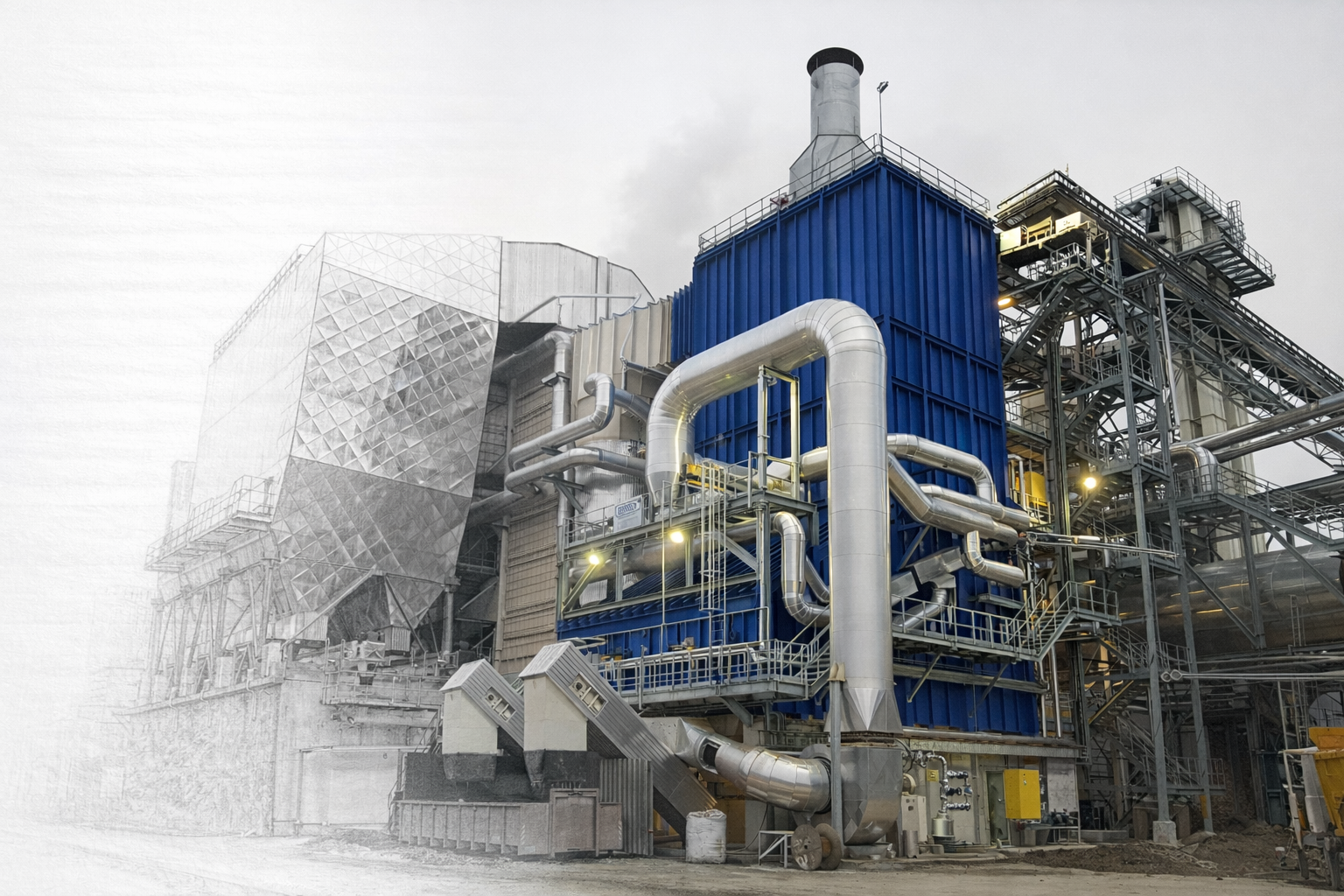
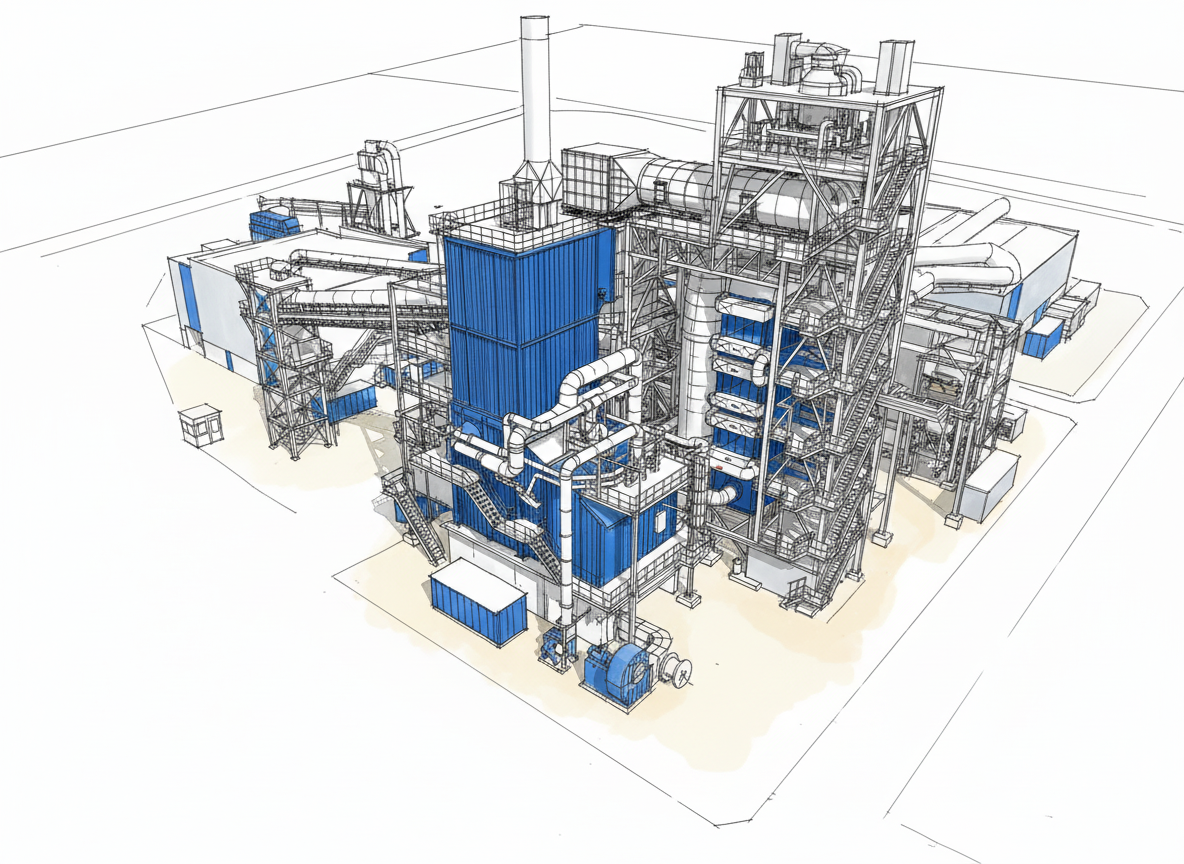
From energy plant to digital model · AI visualisationDigital twin approach
Model · Calculation · Technical knowledgeAI visualization

Two directions. One engineering foundation.

Digital transformation starts within

Our first goal is to make engineering knowledge from design and manufacturing reusable. With parametric models, we aim to carry changes consistently through calculations, geometry and documentation.

  • Organise design inputs and calculation assumptions in a shared structure.
  • Use parametric models to assess equipment alternatives and dimensional changes.
  • Make the links between calculations, drawings and revisions traceable.
From automation experience to digital twins

We aim to build on our PLC and automation experience with an approach that evaluates plant behaviour alongside an engineering model. The goal is to provide understandable evidence for maintenance, process and energy decisions, using existing operating knowledge.

Explore the technical framework of our digital twin approach in Digital Twin & AI Platform (EN).

  • Identify available measurement points and assess data quality together.
  • Compare expected behaviour with suitable data within stated limits.
  • Develop recommendations through engineering review and operating-team feedback.

Take the first step together: define the need, the pilot scope and the criteria for success.

From design to plant: our digital work

Four examples from our modelling and visualisation work.

Design in the CAD environment

A look at modelling work in Autodesk Inventor.

Digital plant tour

Explore plant layout and equipment relationships in a digital environment.

From model to visual narrative

An example of bringing digital design into visualisation and presentation.

Smorgon: model and site

A study that brings a digital model and site footage into one story.

From a question to an engineering decision

“How can I assess my existing energy plant as production increases?” The story starts here: understand the current plant, examine options on a consistent basis and record the reasons behind the decision.

These two goals meet in the four engineering steps below. First understand the plant, then bring scenarios, equipment relationships and decision knowledge into the same framework.

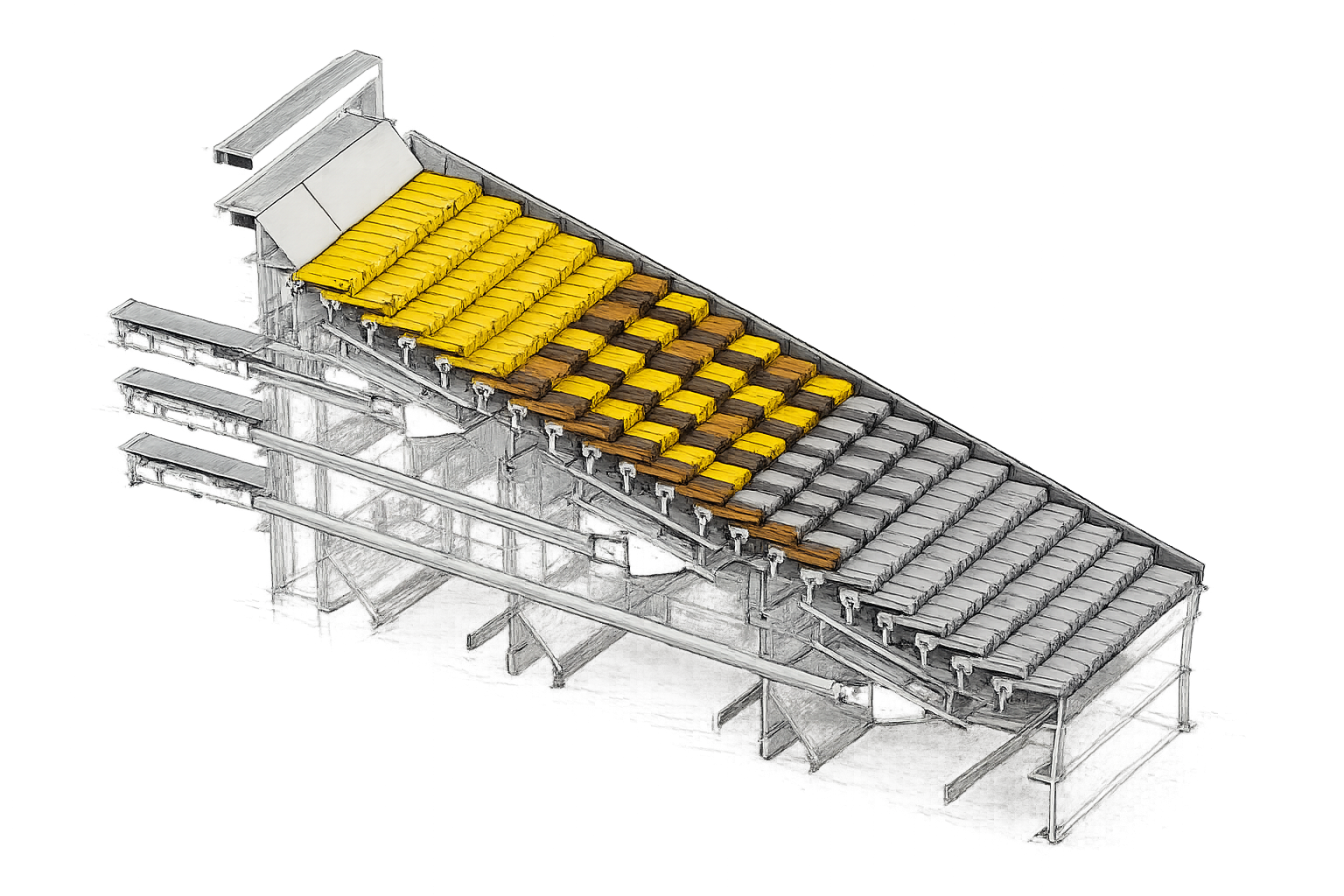
See the plant in a shared modelPlant model
Layout · Connections · EquipmentAI visualization
01

See the plant in a shared model

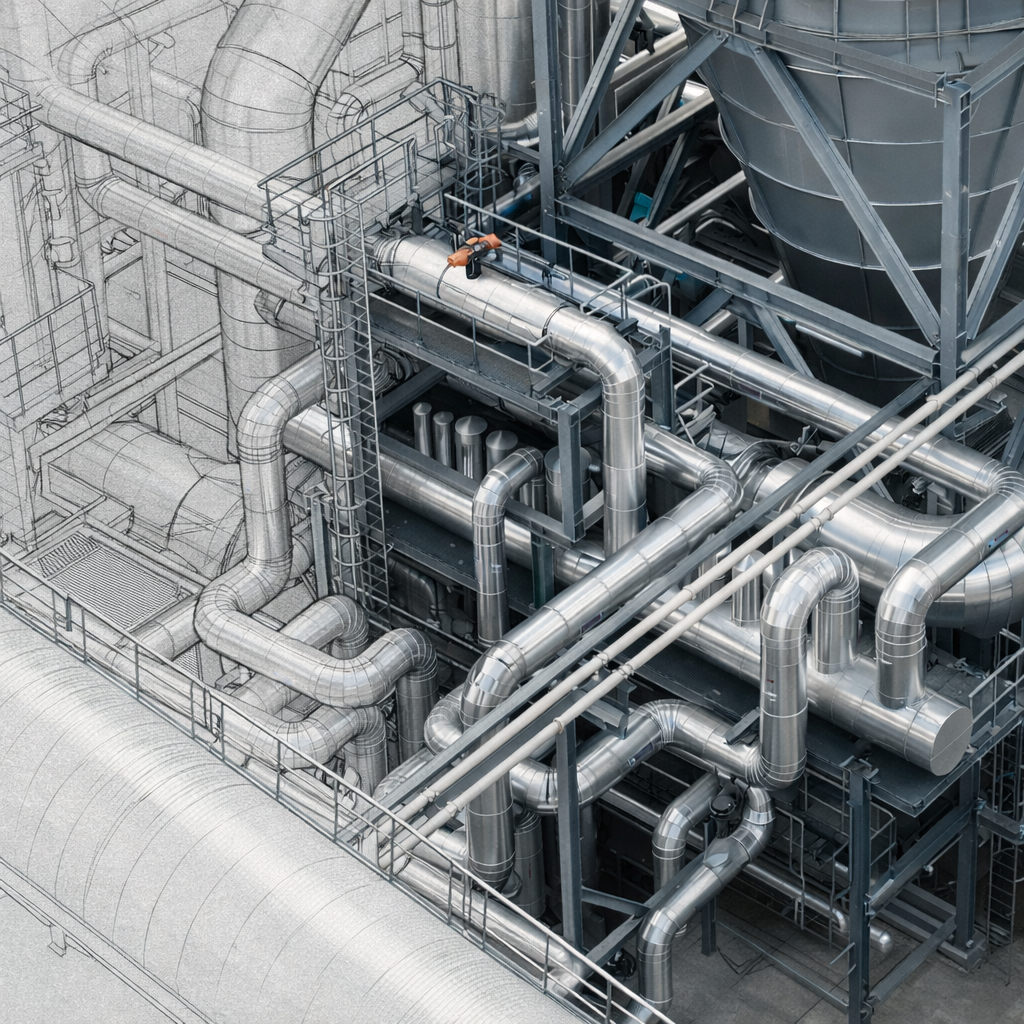
Boilers, fuel handling, fans, pumps, piping and process consumers are connected. Bringing drawings, equipment lists and available operating data together makes those relationships visible.

Example questionWhere would new equipment fit, and which lines would it connect to?

Study outputPlant model, equipment list and data requirements.

Examine changes through scenarios before site workOperating scenarios
Fuel · Load · Heat balanceAI visualization
02

Examine changes through scenarios before site work

Changes in capacity, fuel properties and operating conditions call for a fresh assessment of heat and mass balances. Comparing alternatives against the same design basis helps identify equipment and process connections that need closer review.

Example questionHow would fuel moisture or steam demand affect the system?

Study outputScenario comparison with stated assumptions and limits.

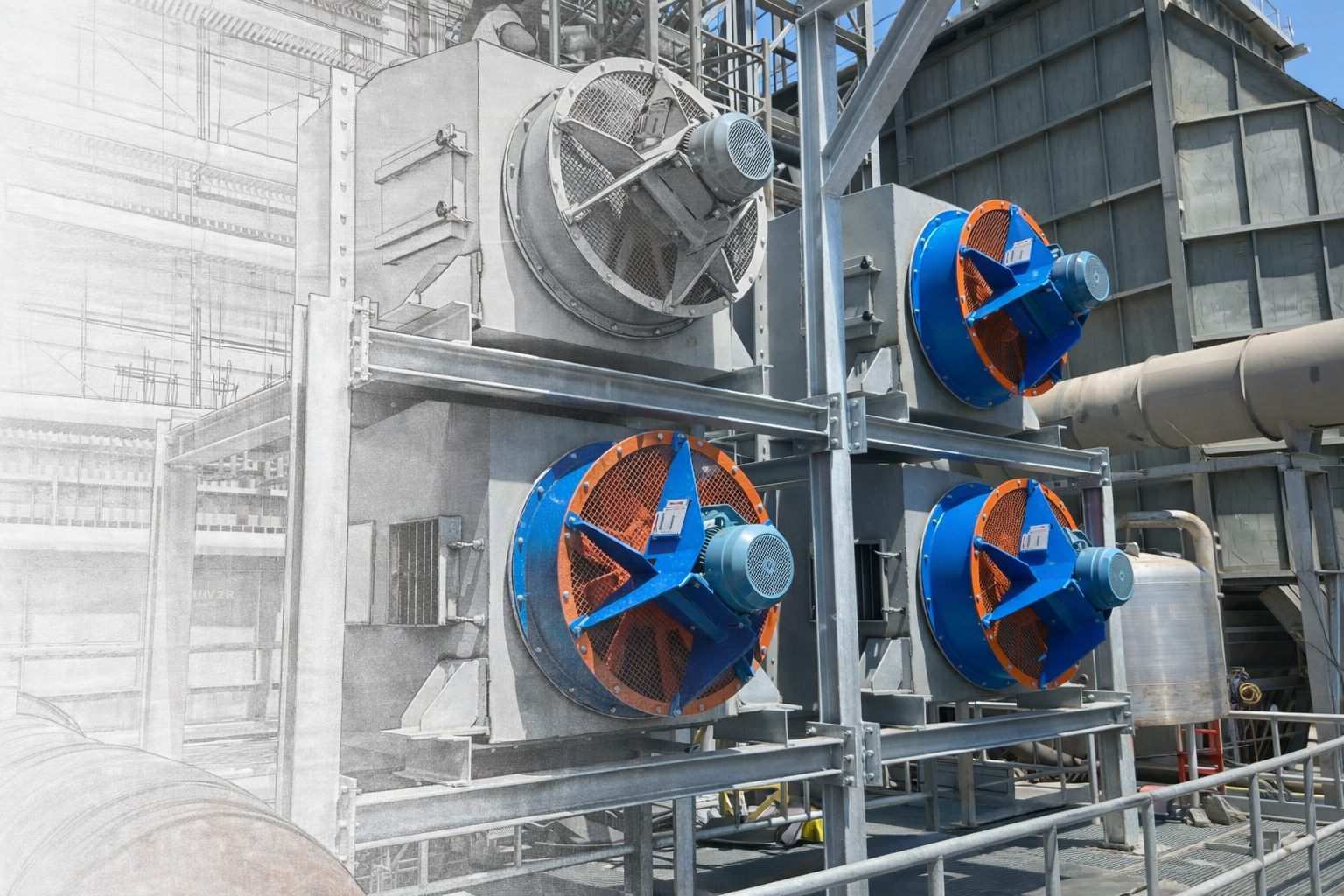
Understand how equipment interactsEquipment interactions
Flow · Pressure · TemperatureAI visualization
03

Understand how equipment interacts

Selecting a fan, pump or heat exchanger can affect the whole system. A digital model provides a framework for examining flow, pressure and temperature relationships alongside engineering calculations. Where suitable measurements exist, calculated and observed conditions can be assessed together.

Example questionWhere is the bottleneck, and what should be measured before deciding?

Study outputEquipment assessment and a measurement/review plan.

Make technical knowledge reusableEngineering knowledge
Document · Revision · DecisionAI visualization
04

Make technical knowledge reusable

Technical documents, revisions and calculation results are organised in their project context. AI-assisted work can help locate relevant information, structure questions and prepare technical summaries. Each assessment is considered alongside its source data and engineering review.

Example questionWhich data and assumptions supported this choice?

Study outputTechnical summary, decision rationale and engineering documentation.

Engineer together. Validate together.

Explore our approach to predictive maintenance, energy management and process optimisation in Industrial Intelligence Platform (TR).

  1. Define the need

    Identify the decision, existing equipment and available data together.

  2. Build the model

    Agree on design assumptions, data connections and scenarios to compare.

  3. Validate in a pilot

    Review results within a limited scope against agreed acceptance criteria.

  4. Progress with evidence

    Record findings and limits, then decide together whether to expand.

Let’s map your plant’s digital path together.

Start with your priority engineering question. Together, we can assess the current situation and available data, then define a project-specific scope for development and validation.